
RENOVATION ARCHITECTURE · MIAMI, FL
Renovation Architecture in Miami
Every renovation starts with what already exists. Cuevas Architecture+ works within the site, the structure, and the constraints already there, from a full residential renovation to a project inside a historic district, to find the design that belongs.
See Our Renovation Process ↓
WHY RENOVATE
When Renovating Makes More Sense Than Building New
Renovating keeps what already works while updating what doesn't. It typically moves through permitting faster than ground-up construction, and in historic districts it can be the only path forward.
-
The lot and its value are already secured. Renovation invests in what's already there instead of starting over.
-
Existing structures often move through permitting on a shorter timeline than new construction.
-
Historic districts and established neighborhoods often restrict new construction, making renovation the direct path to more space.
SCOPE
Renovation, Design-Led From Start to Finish
Cuevas Architecture+ leads renovation projects as architects and designers, from the first site visit through construction administration. We don't act as general contractor or builder.
-
Renovations inside historic districts, working directly with preservation boards and design review.
-
Interior and exterior renovation developed together, from structural updates to spatial reorganization.
-
Interior spaces renovated alongside the architecture, not treated as a separate phase.
PROCESS · STEPS TO FOLLOW
How a Renovation Project Works With Cuevas Architecture+
Every renovation follows the same five phases as any CA+ project, adjusted for what a renovation actually requires: a close read of the existing structure before anything new is proposed.
-
Site and structure assessment, zoning and historic district review.
-
Form, light, and spatial flow proposed in relation to the existing structure.
-
Engineering coordination, material selection, technical detailing.
-
Coordinated drawings, permit submissions, preservation board approvals.
-
On-site engagement, protecting the design intent as the renovation is carried out.
HISTORIC DISTRICTS
Renovating in a Historic District in Miami
Renovating inside a historic district means working within design review guidelines. It adds a review step, not a limit on what's possible.

MIAMI BEACH
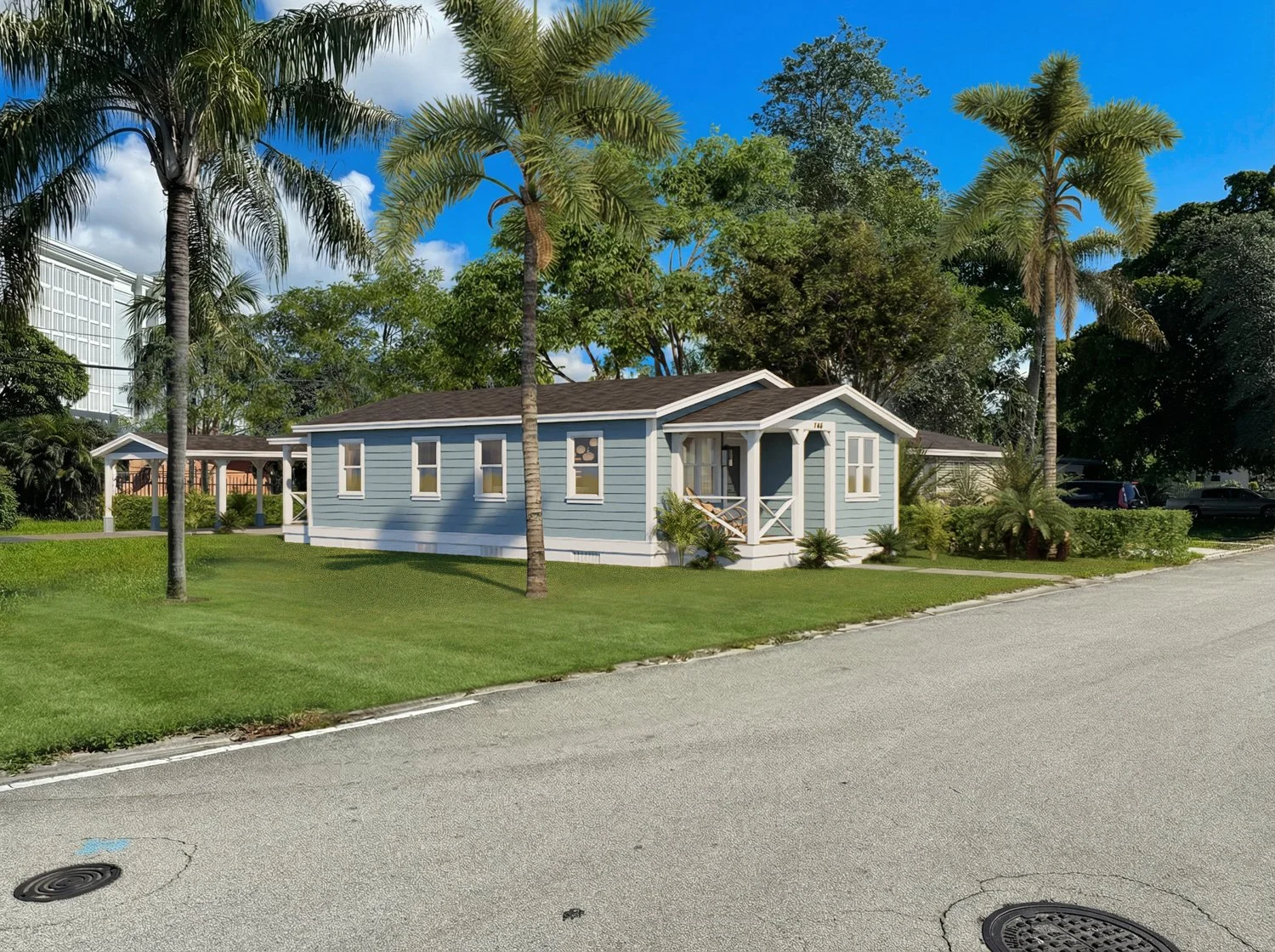
Palm View Historic Renovation
1930s residence restored and extended. Full HPB approval, four zoning variances granted.
CORAL GABLES
Coral Gables Historic Renovation
Heritage facade reimagined through the City's architectural design review process.
MORE PROJECTS
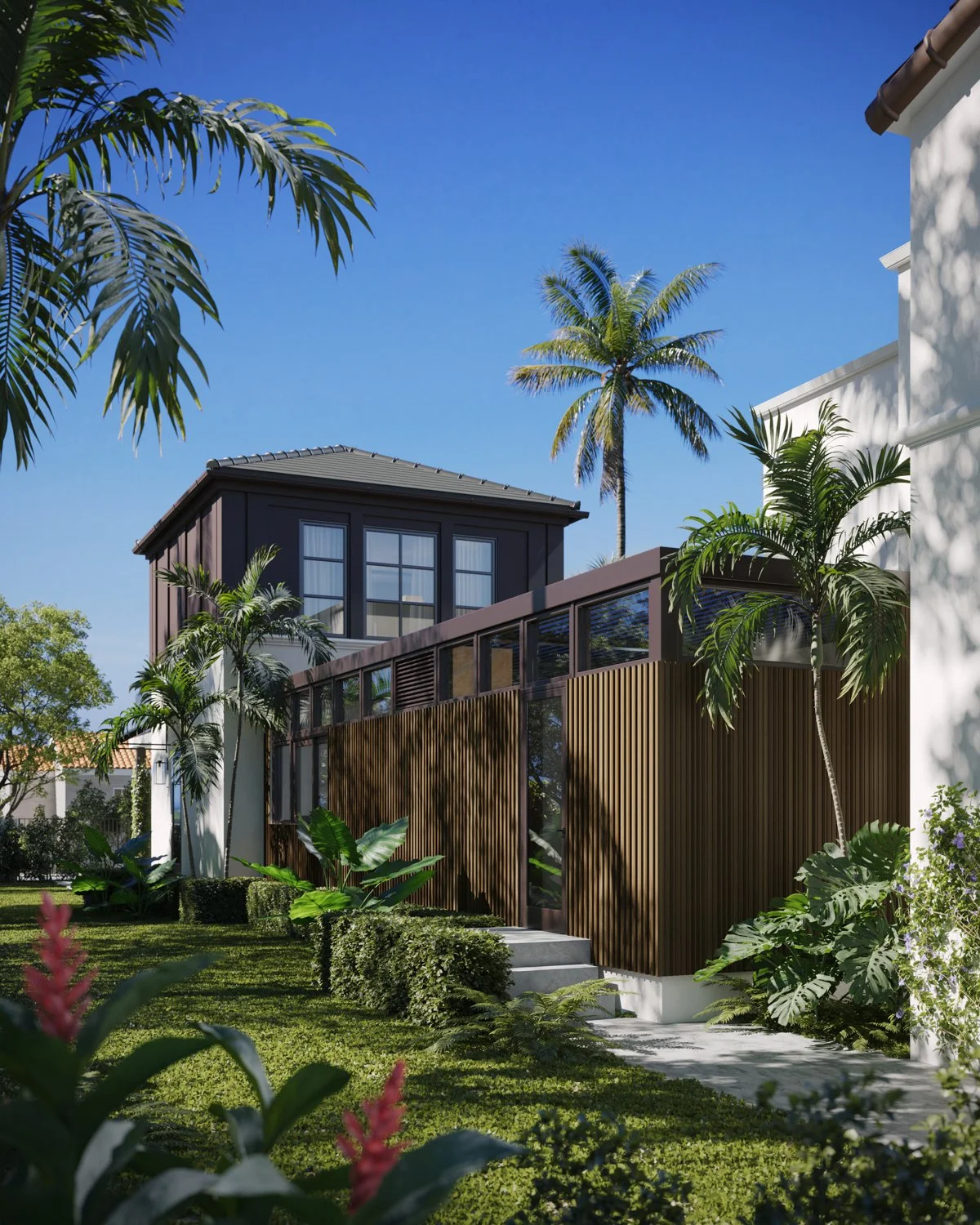
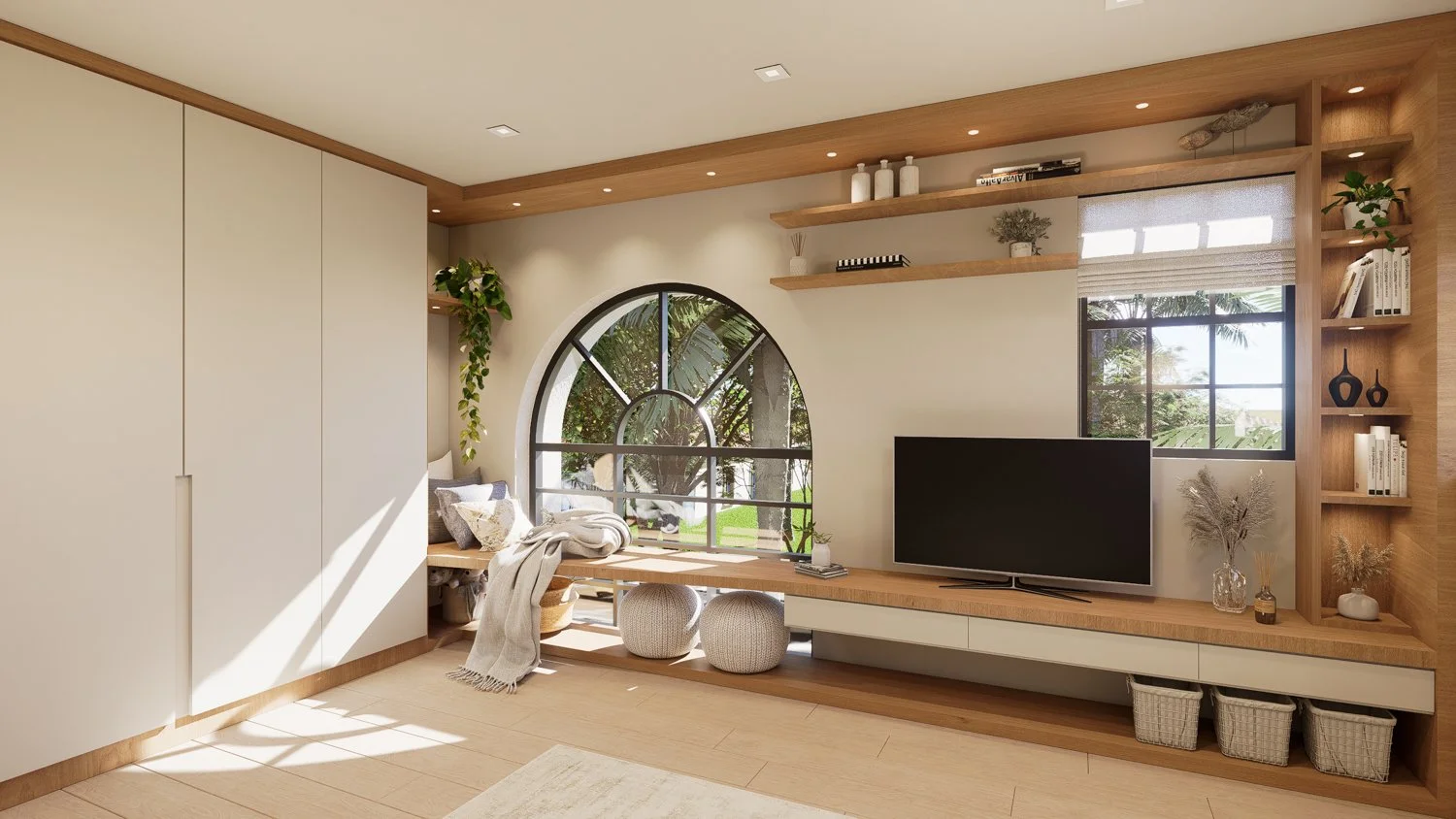
Selected Renovation Projects


FAQ
Frequently Asked Questions
-
It depends on the site and the structure's condition, not on renovation being cheaper by default. Renovation avoids the cost of acquiring new land and often needs less new structural work, but a full gut renovation on a structure in poor condition can approach the cost of new construction. A feasibility review is what actually answers this for a specific property.
-
When the existing structure can't support the program a client needs, when the cost of working around it outweighs its value, or when zoning allows significantly more than what's currently built. Historic districts are the exception: where preservation guidelines apply, renovation is often the only path forward regardless of cost comparison.
-
A renovation inside a historic district adds a design review step with a preservation board, on top of standard permitting. Outside historic districts, renovation permitting is often faster than new construction because less of the existing structure needs to be verified from scratch.
INTENTIONAL DESIGN. SPACES THAT LAST.
Have a Renovation Project in Mind? Let's Talk.
The best next step is a conversation, not a form. Call us and we'll walk through your site, your structure, and what's possible.