Info
Info
Type
XXX
Architect
XXX
Engineer
XXX
Photography
XXX
Sketch
Bifff
01
XXX Description
02
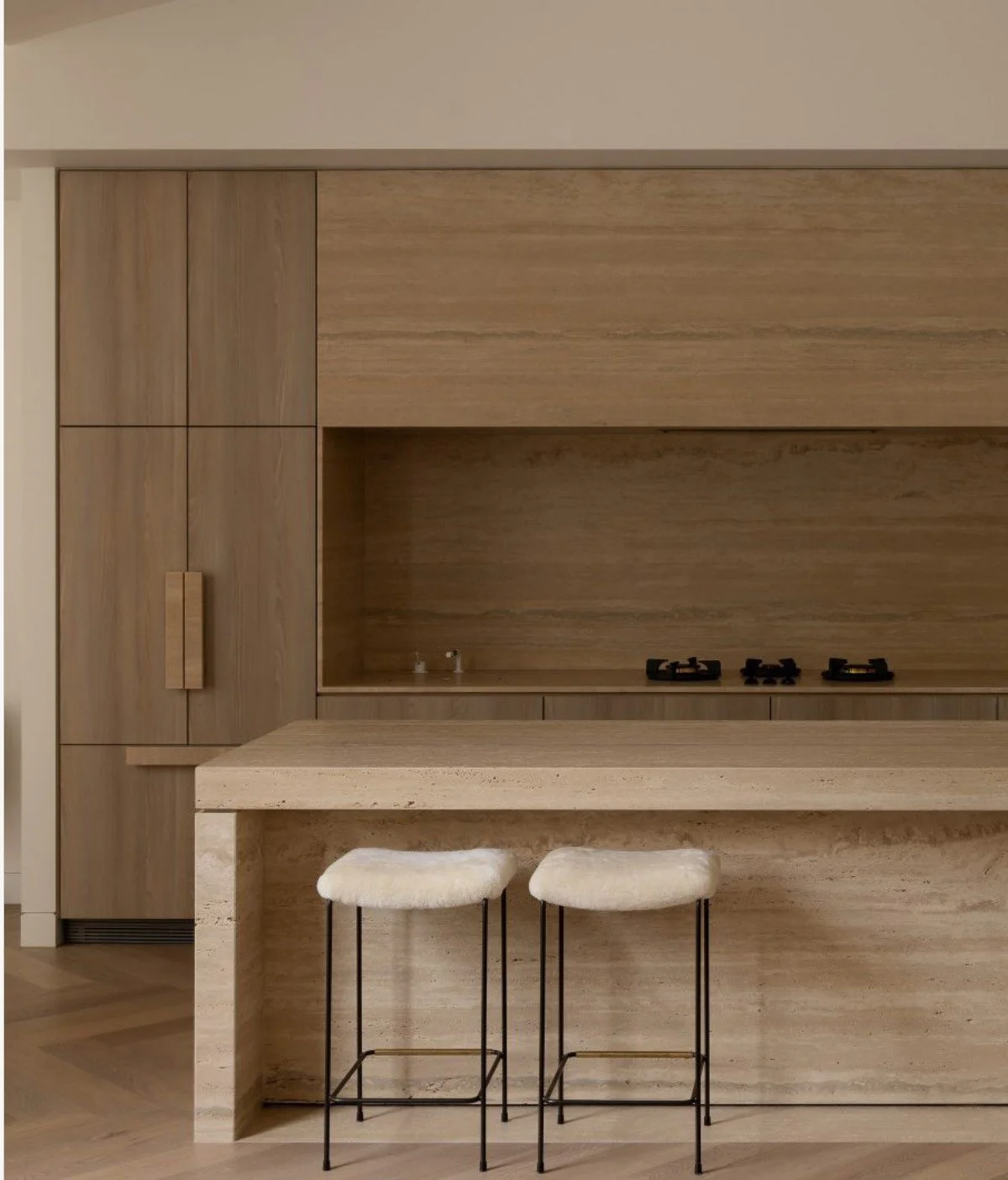
Kitchen
03
04
Description
05
Description
06
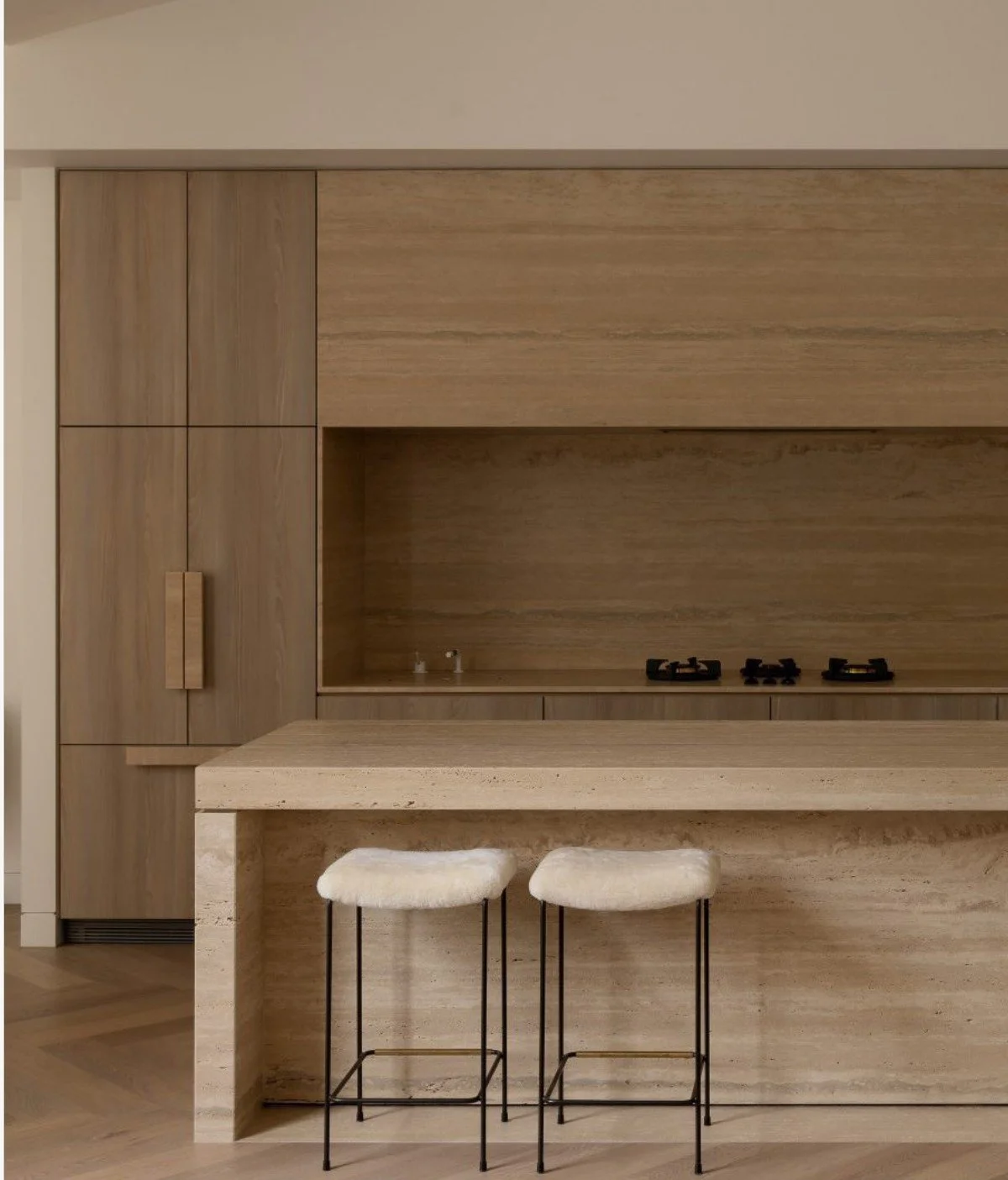
Description.
07
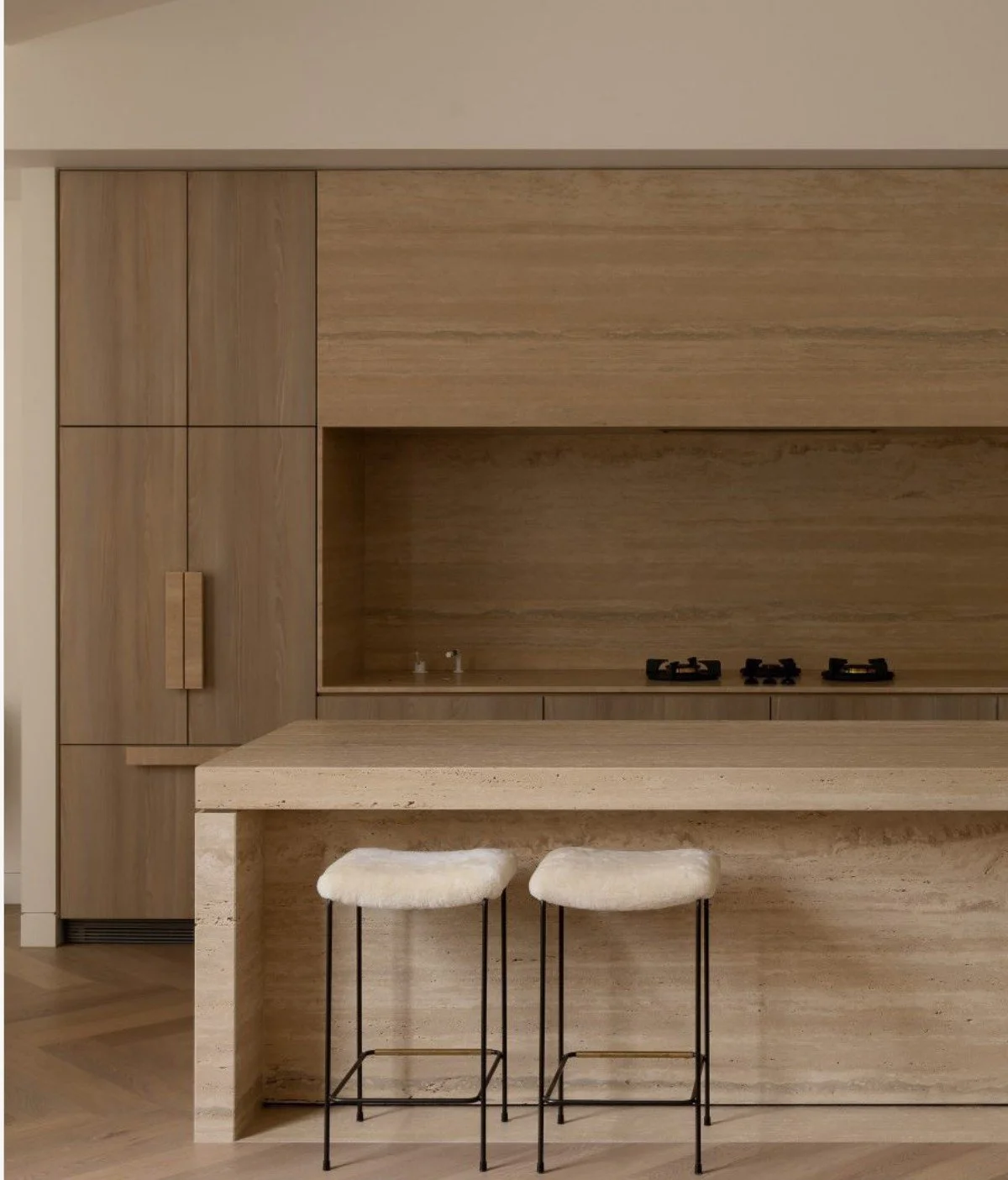
Description.
08
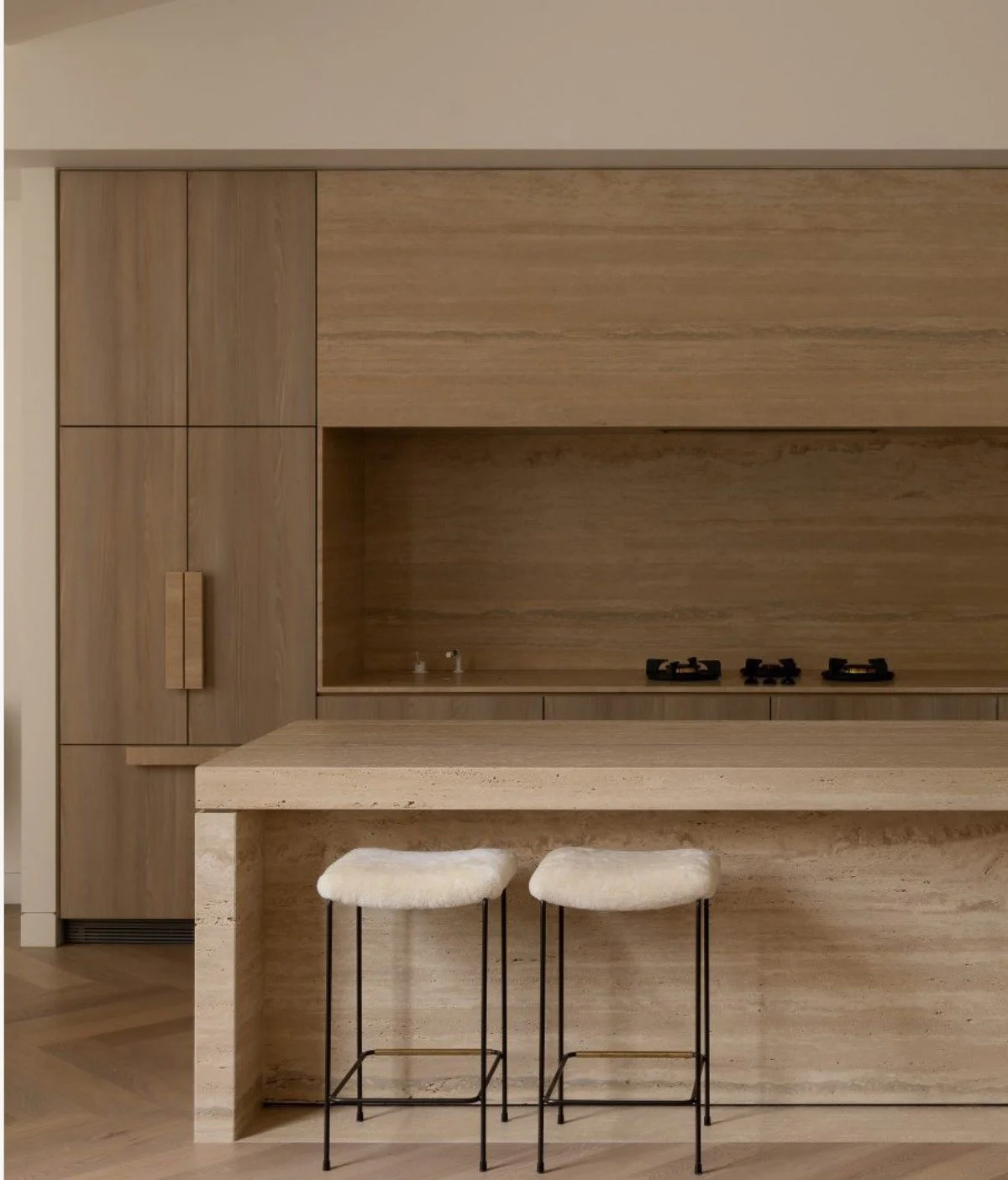
Description
09
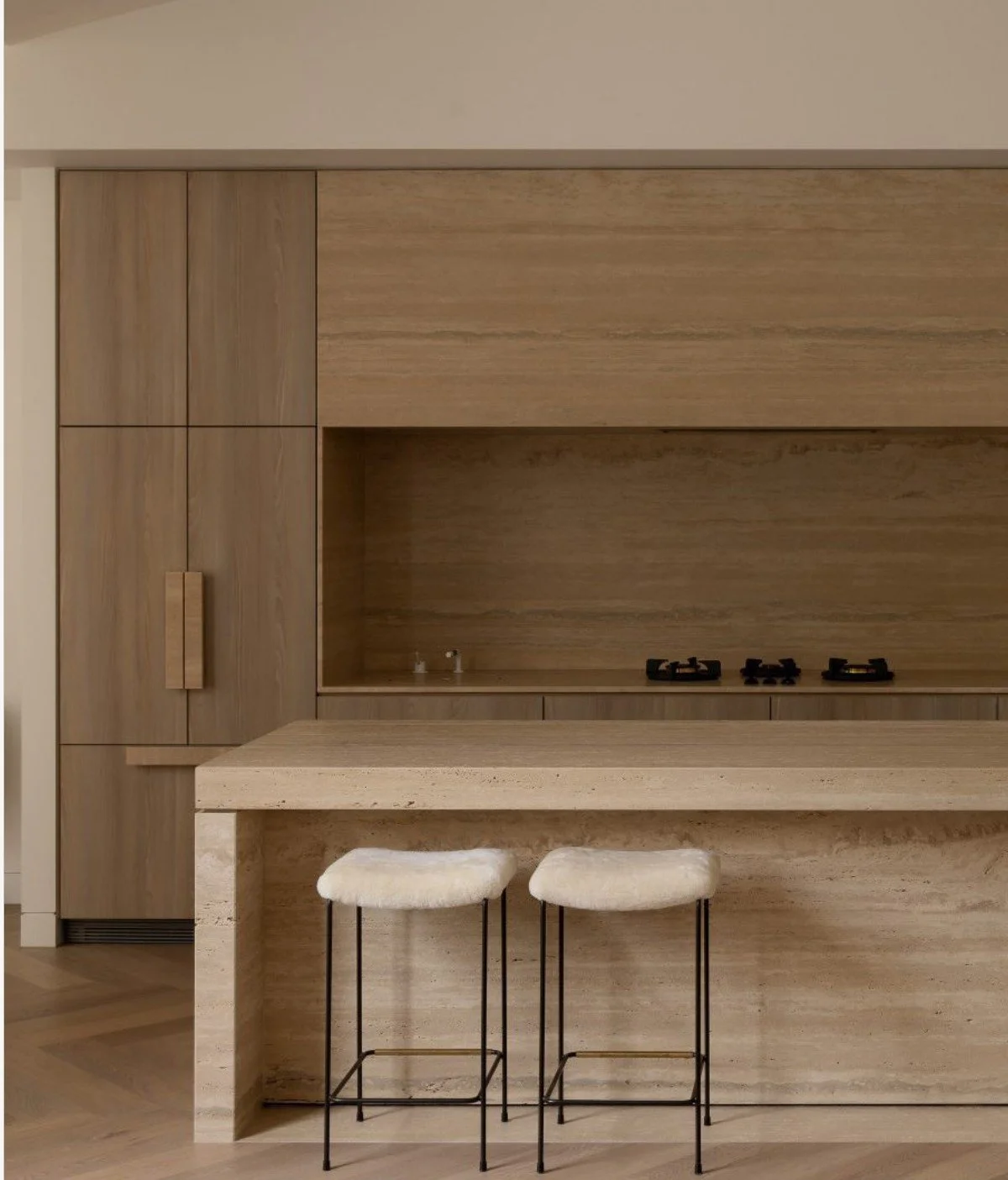
Description
10
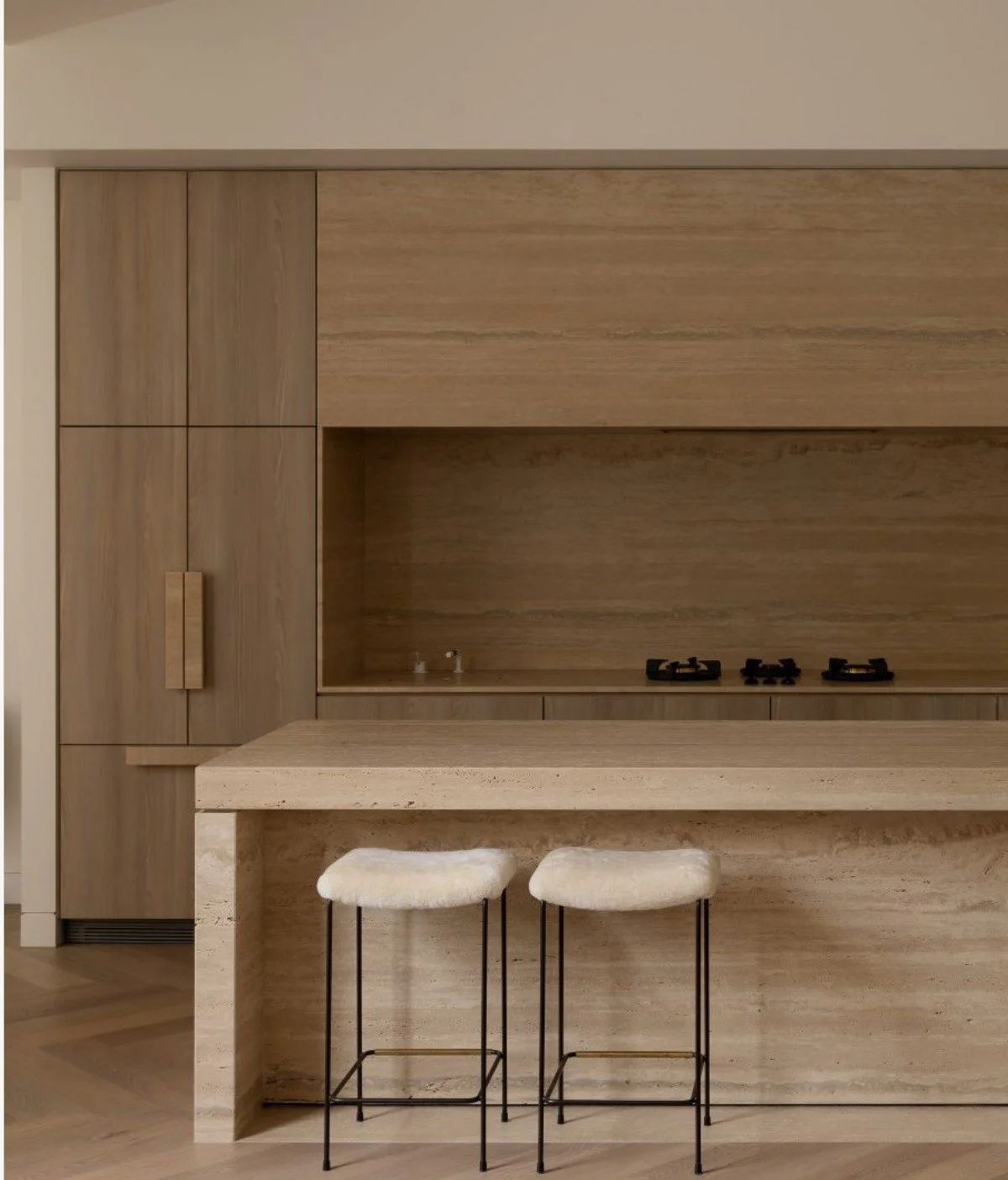
Description.
11
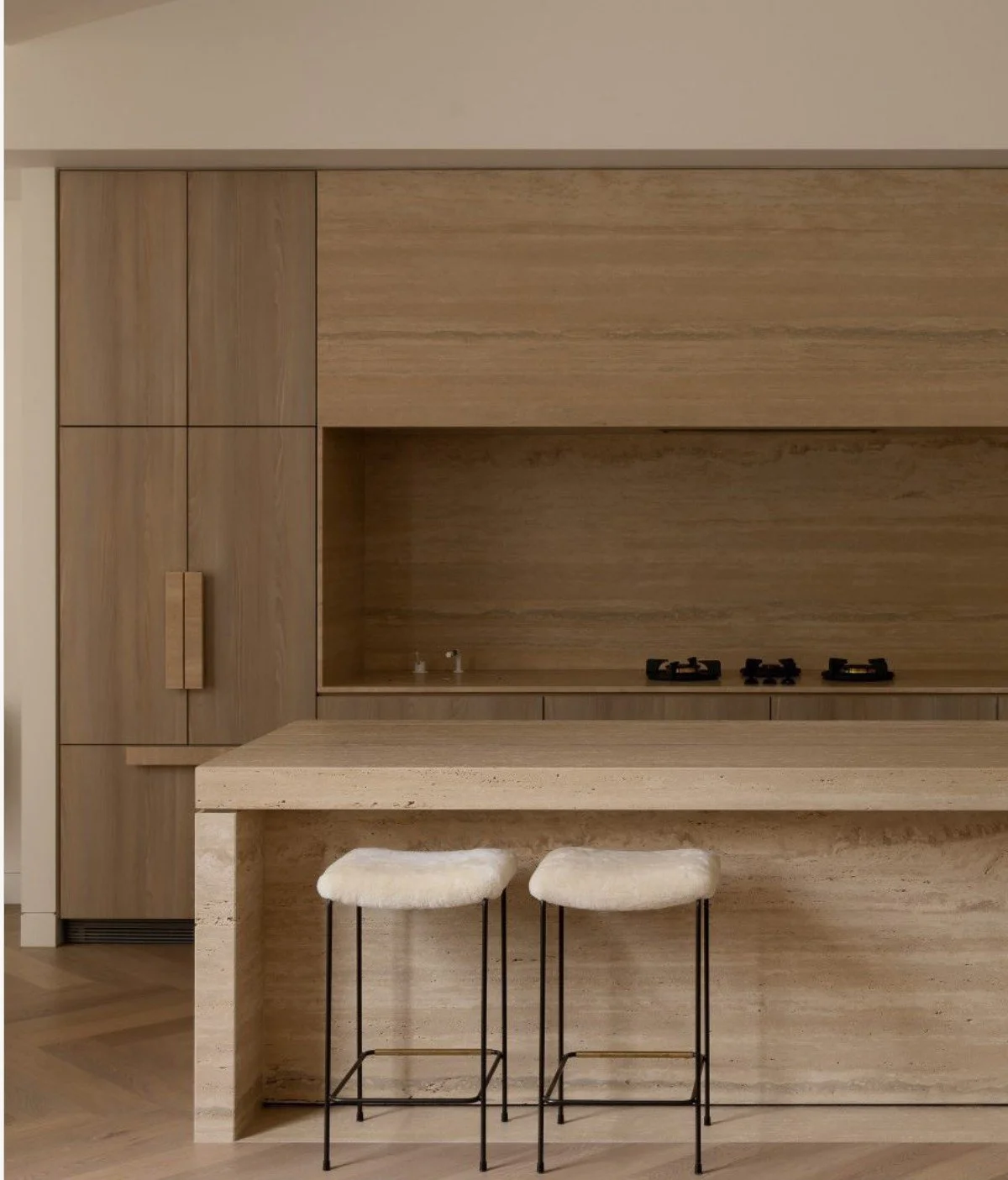
Description.
12
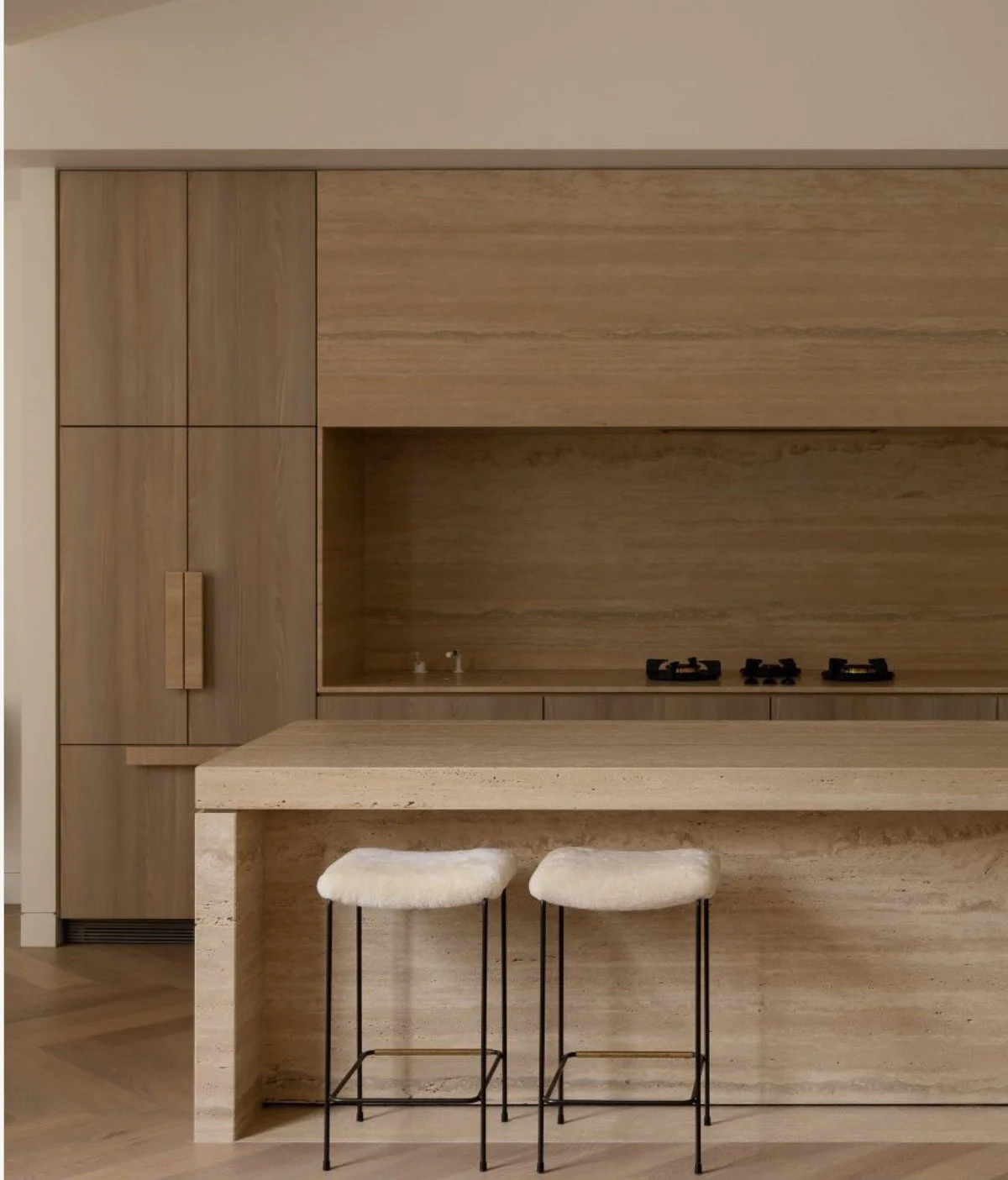
Description.
13
Our Process
Pre-Construction
1
In addition to progressive preliminary pricing, pre-construction focused on understanding the existing structure, determining how best to remove, retain, reinforce, and support it. Key trades were brought in early to ensure the build was achievable on a steep, land-slip-prone site. We worked closely with the architect and engineer to cost design options, refine sequencing, and value manage key packages, aligning architectural outcomes with program, access, and budget realities.
Progressive preliminary pricing and design option
Site inspections to assess structure, buildability, and sequencing
Early sub-contractor involvement to inform program and methods
Early Works
2
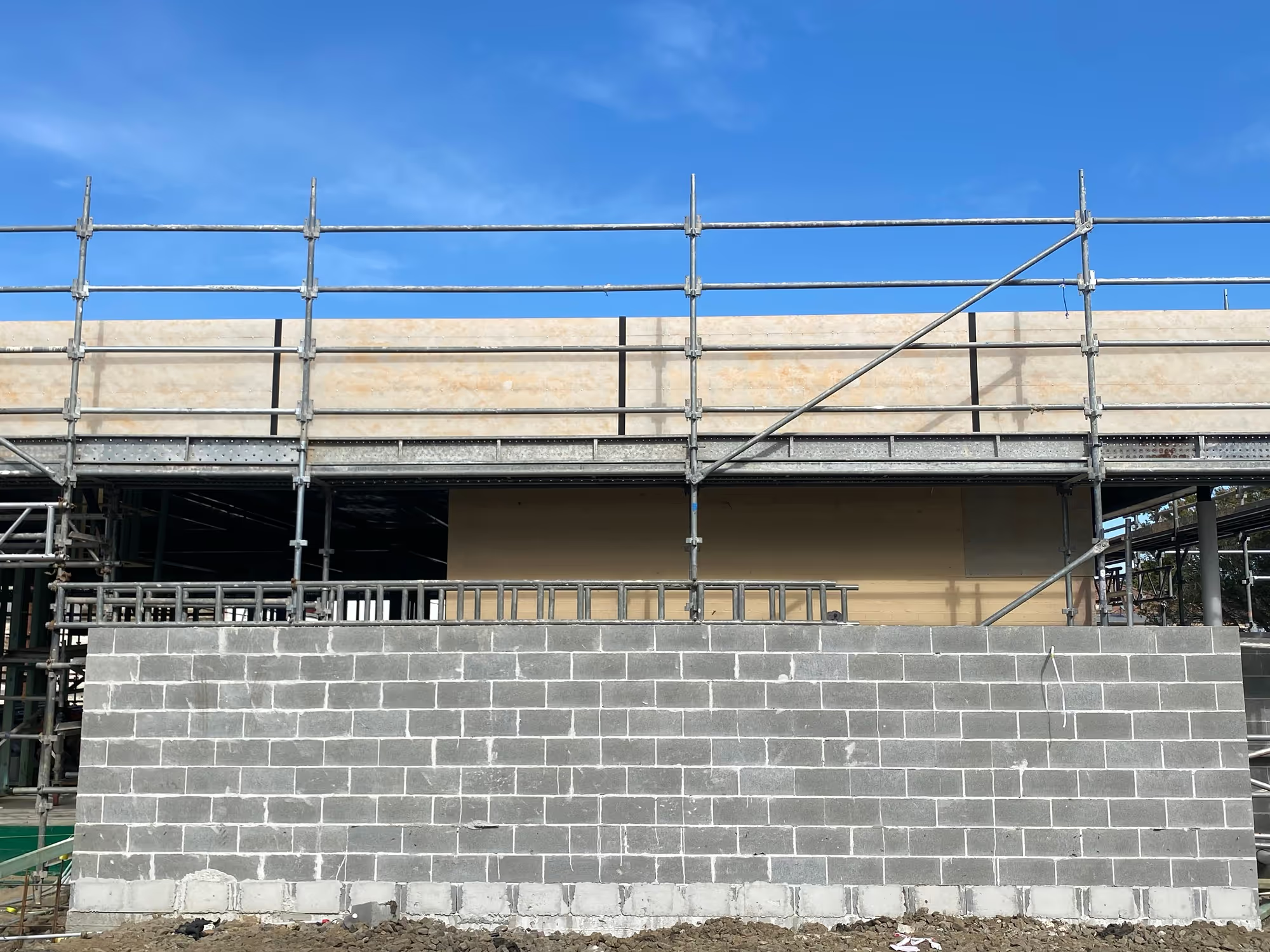
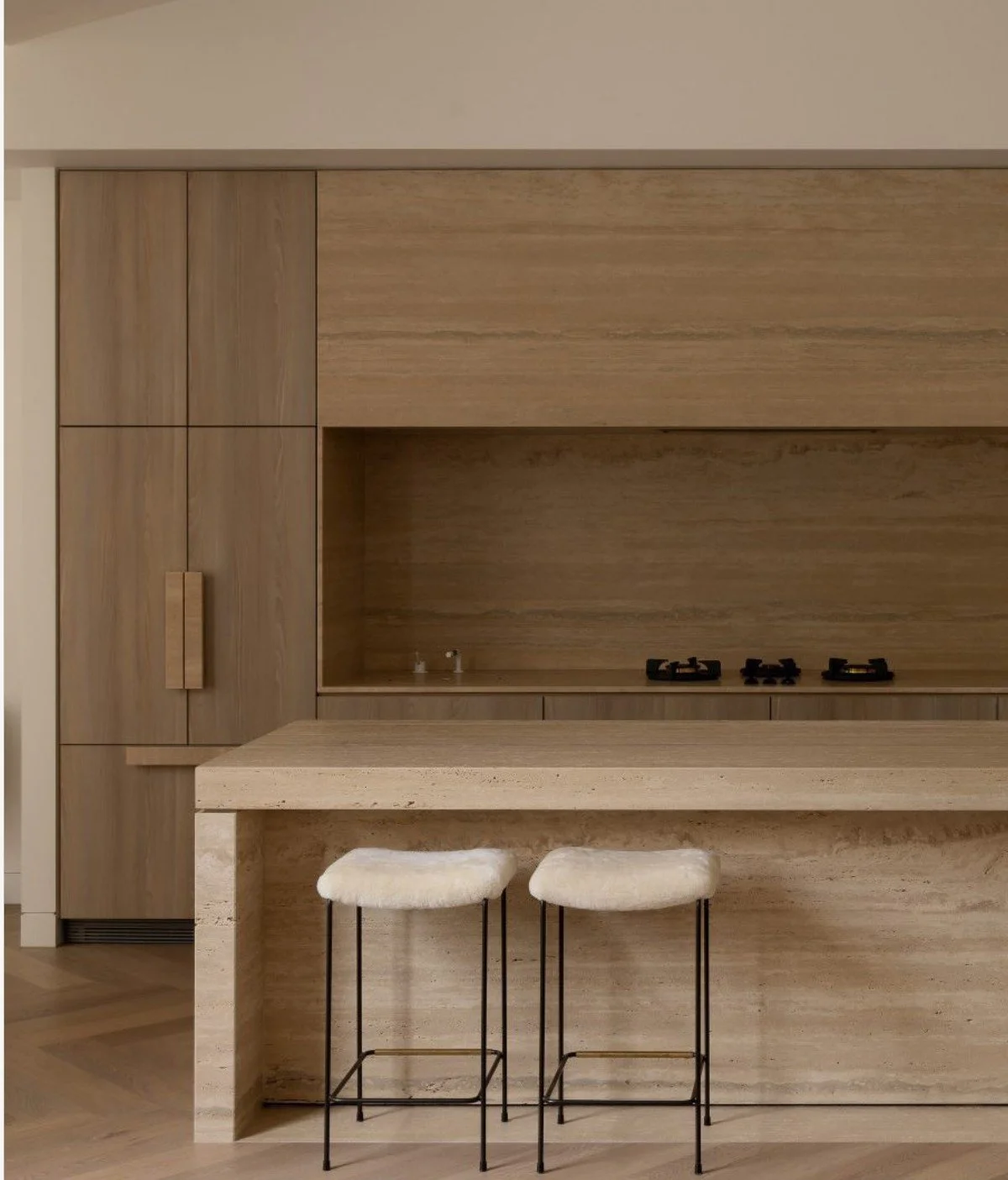
Early works were extensive; stabilising the land, remediating the structure, and preparing for excavation beneath the existing house. Works included piling, shotcrete, and major earthworks through sandstone to carve out a new basement. Tree protection, asbestos removal, and treatment of concrete cancer were undertaken with care, alongside the safe removal of original balconies and other compromised elements.
Land stabilisation, piling, and shotcrete to secure steep site
Subterranean excavation through rock for a new basement beneath the existing home
Remediation of concrete cancer, asbestos removal, and forensic demolition
Structure
3
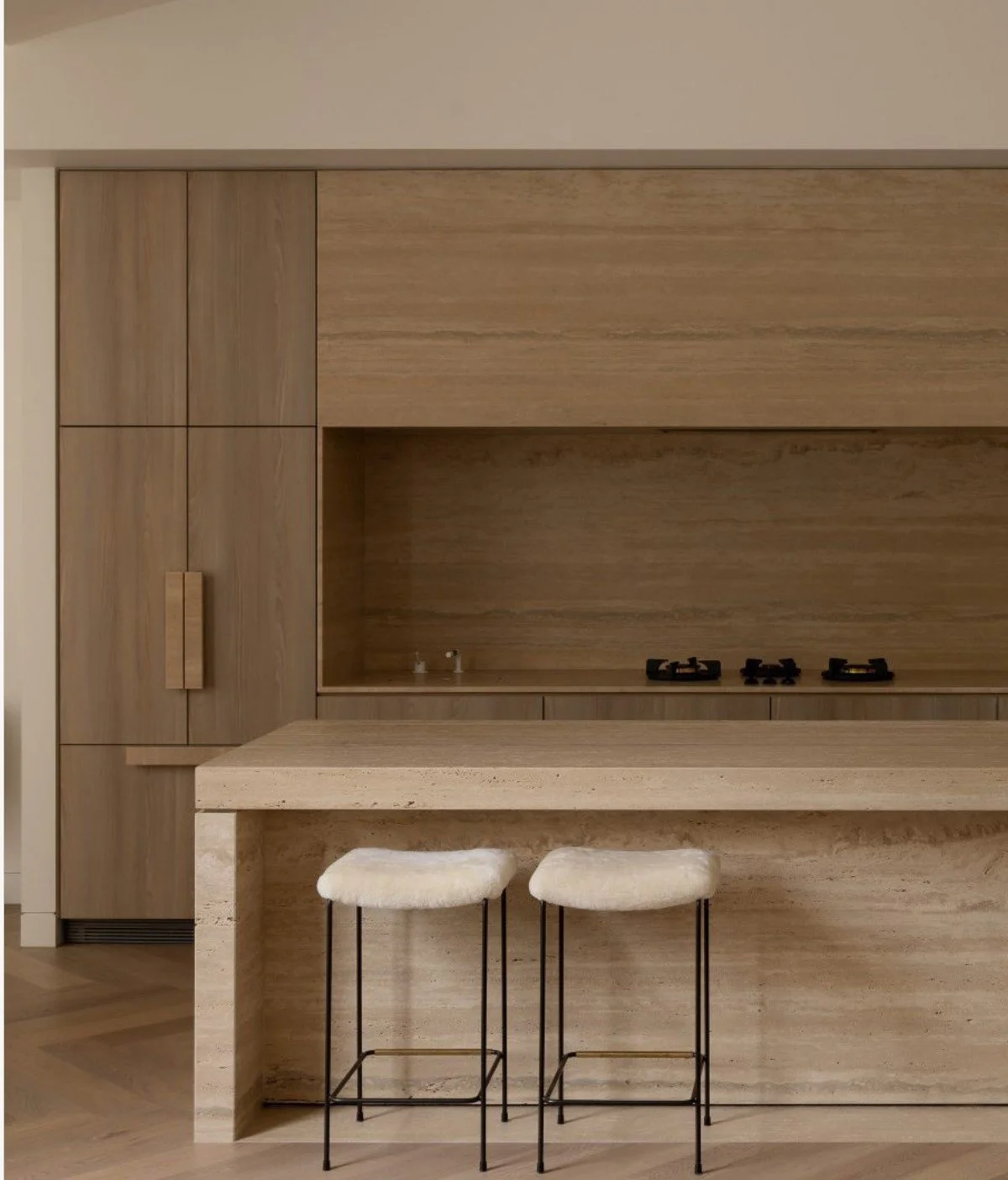
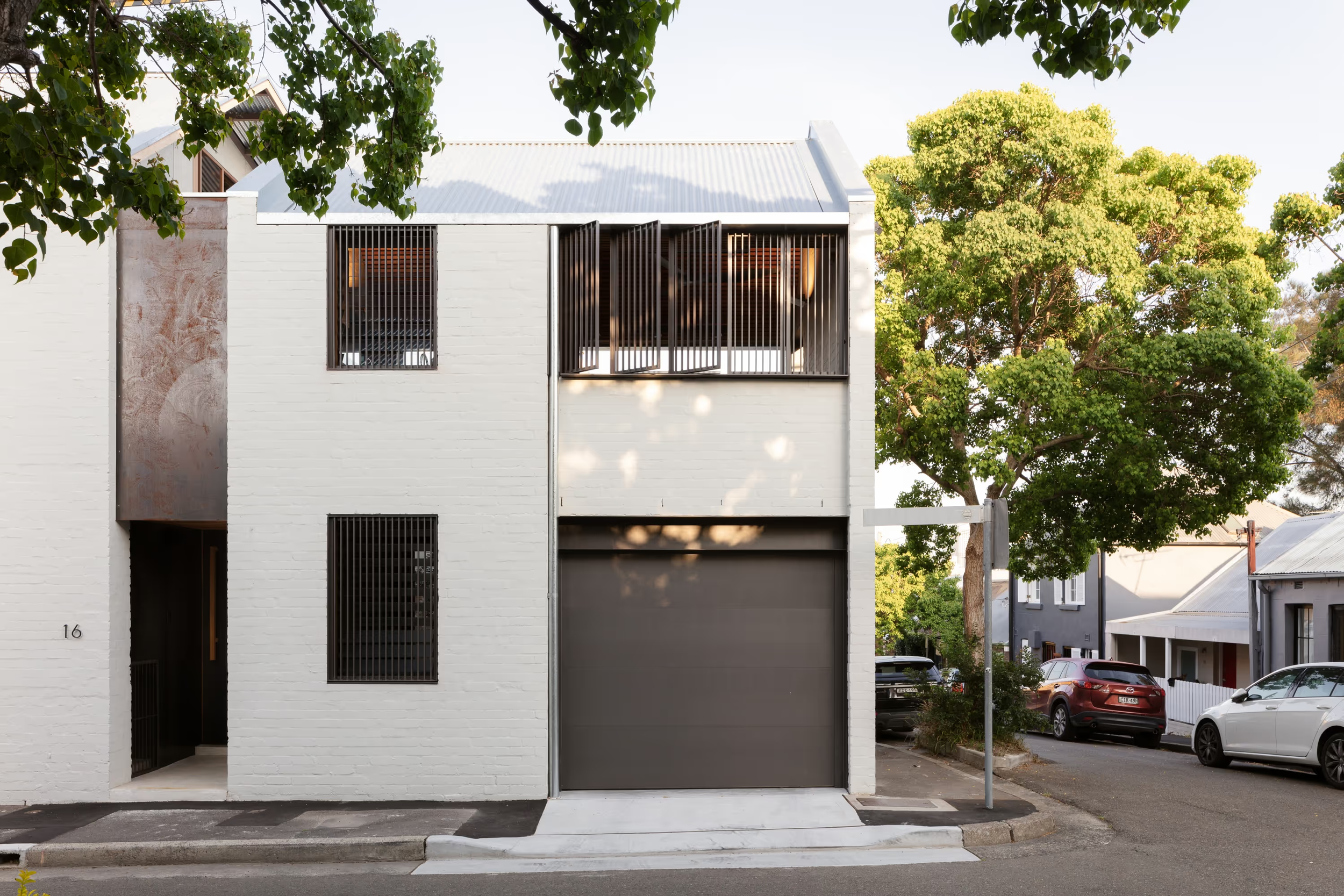
The existing structural skeleton slabs steel and perimeter blockwork was retained and remediated, becoming the backbone for the new works. Careful propping and sequencing allowed us to insert new framing and infill without disturbing the structure’s integrity. Timber was used strategically to introduce warmth, lighten loads, and ensure buildability on a constrained site. Much of the new work was stitched directly into the old requiring high precision and close coordination between trades.
Timber framing and posts strengthen, allow for new services and insulation while reducing structural load
Retained super structure formed the foundation for the new works
Sequencing, propping and remedial works ensured safe integration of new structure within the retained envelope
Enclosure
4
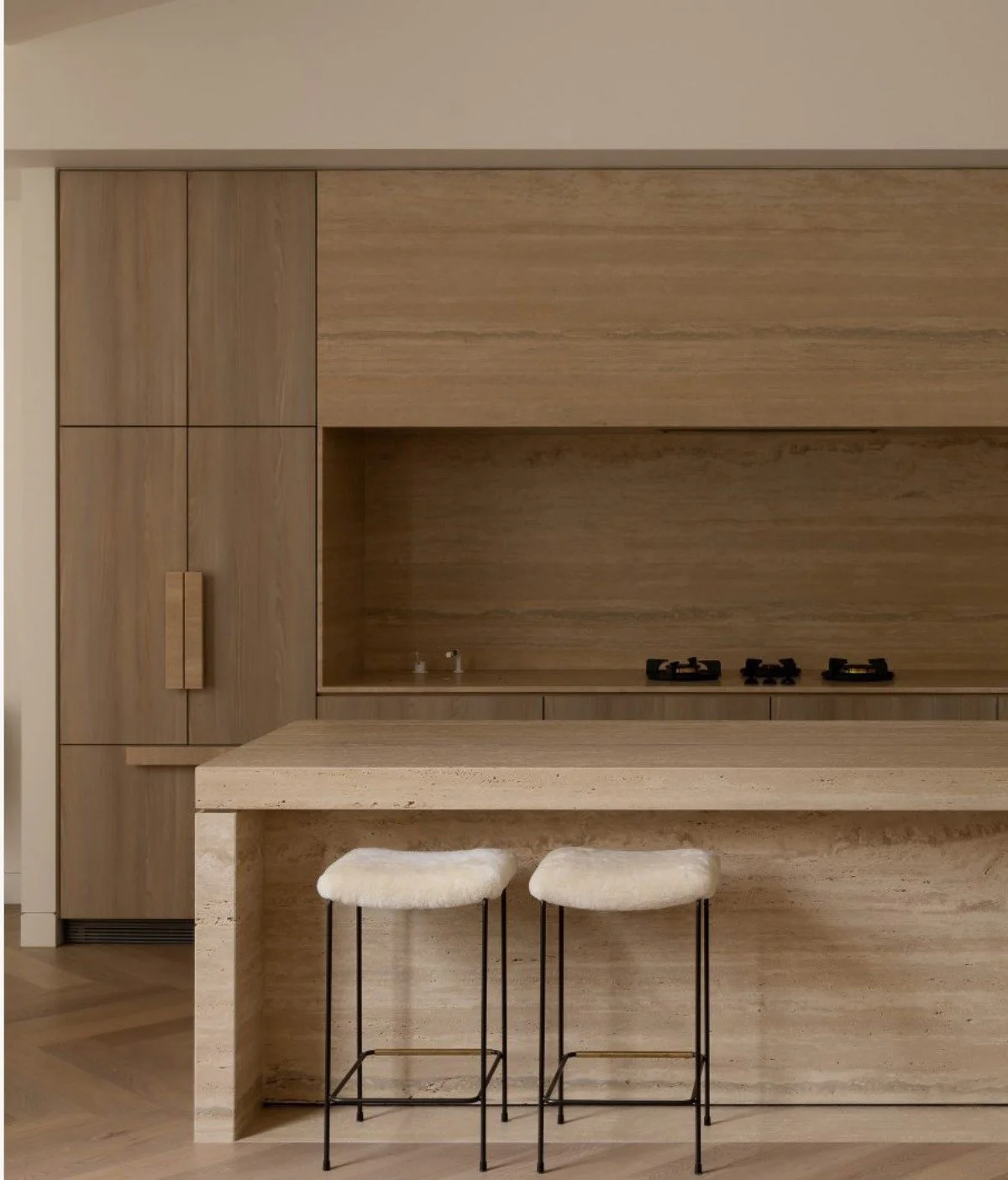
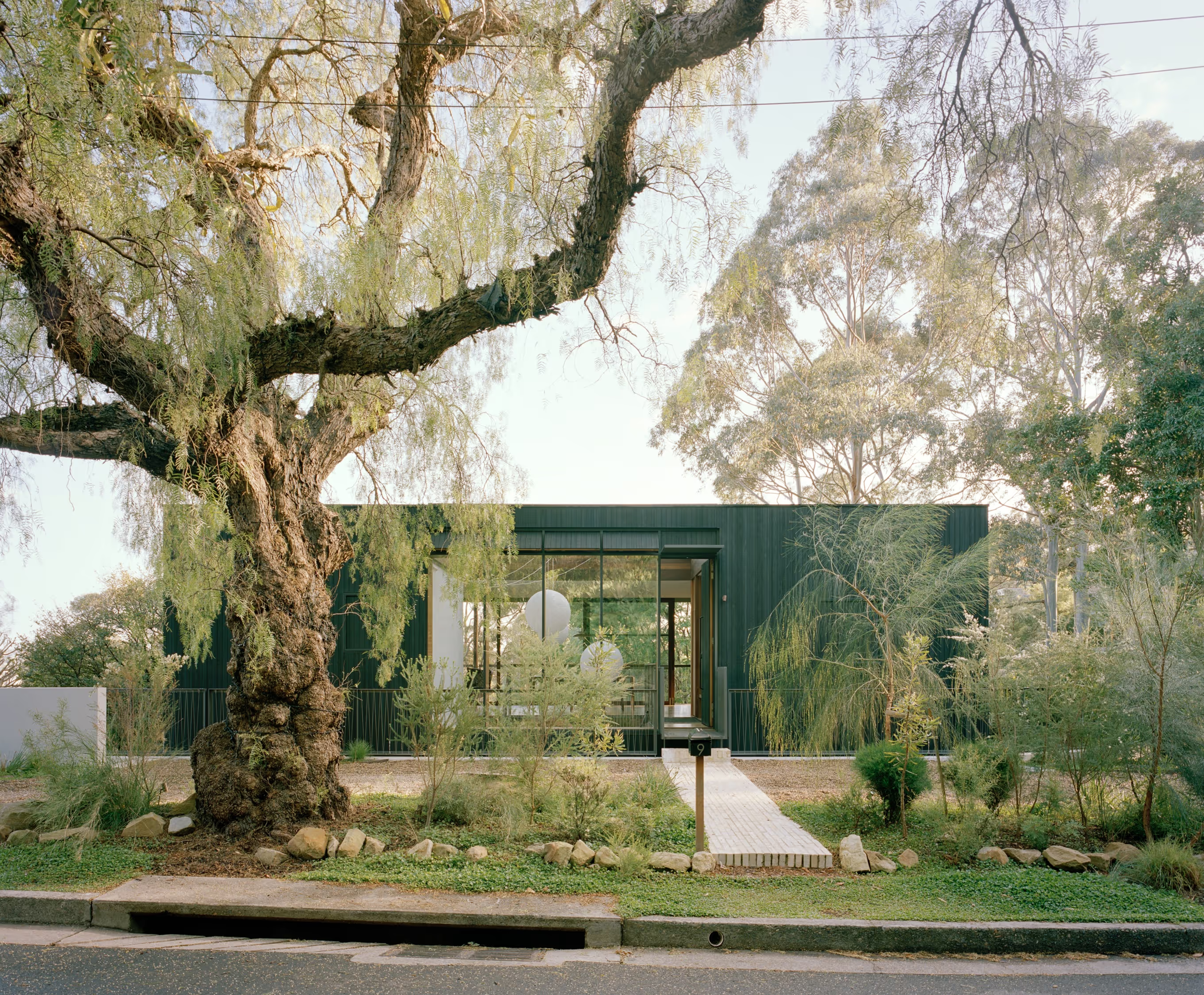
A new timber-framed skin was built around the existing block structure, allowing for insulation to be installed continuously across the facade. This was then wrapped in high-performance membranes, tapes, and flashings to ensure airtightness and elevate passive performance. The cladding is rapid growth and thermally modified timber. Doors, windows, and ventilation hatches all double-glazed and made from recycled Australian hardwoods punctuate the enclosure with precision.
Abodo cladding installed over breathable membranes for long-term durability
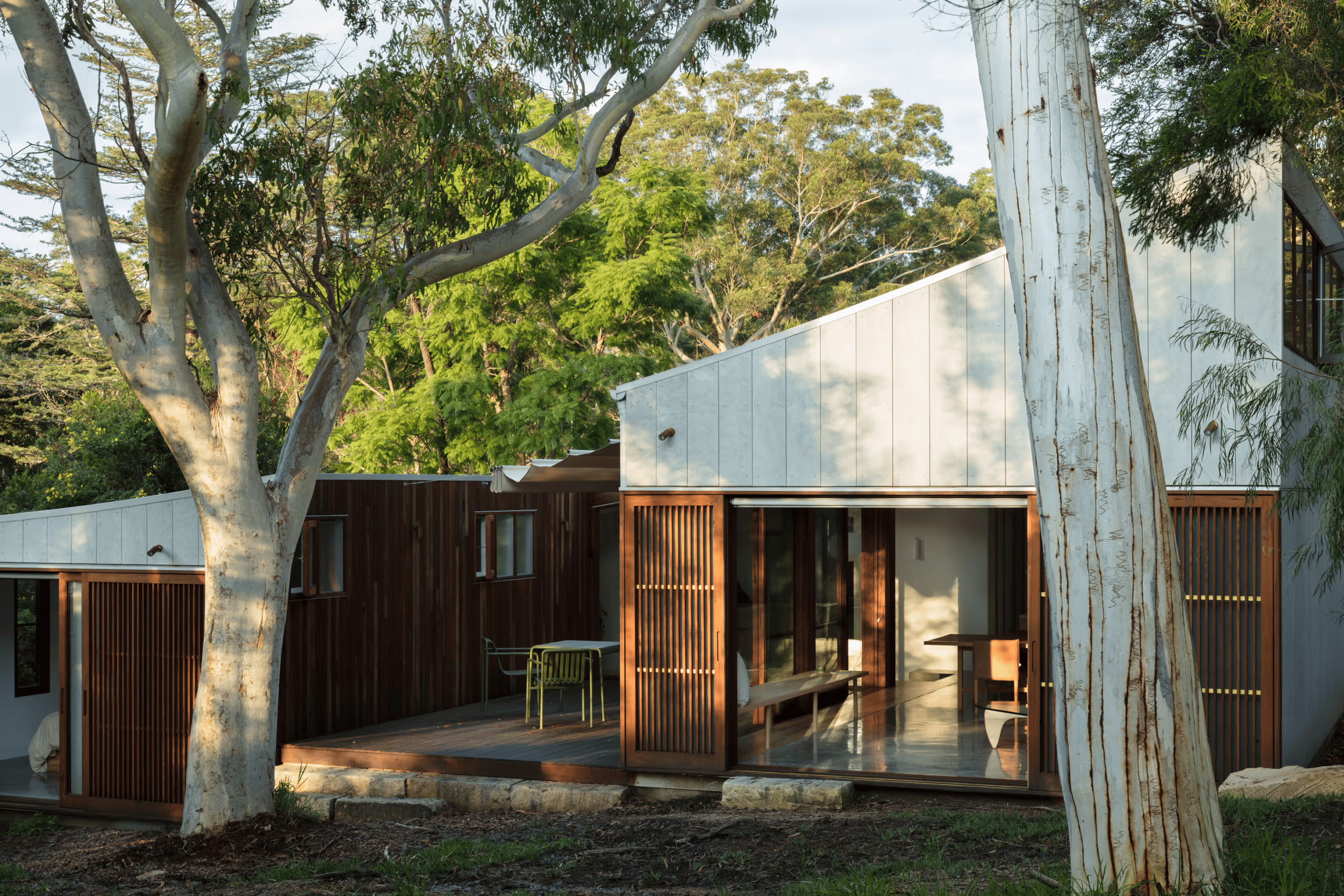
Recycled Australian hardwoods used for all external joinery, double-glazed for acoustic and thermal performance
Insulated timber skin enables passive performance while retaining the original structure underneath
Interiors
5
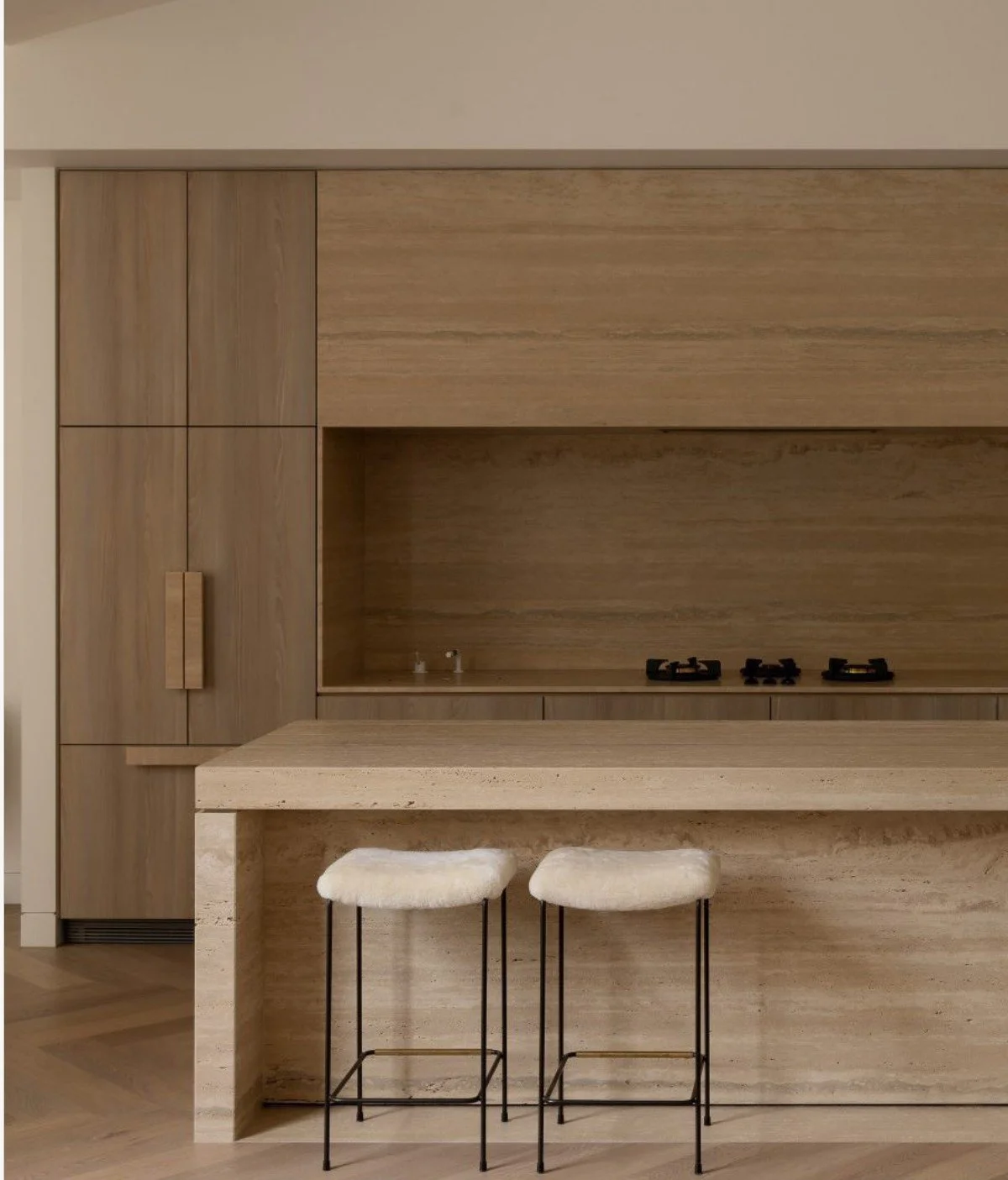
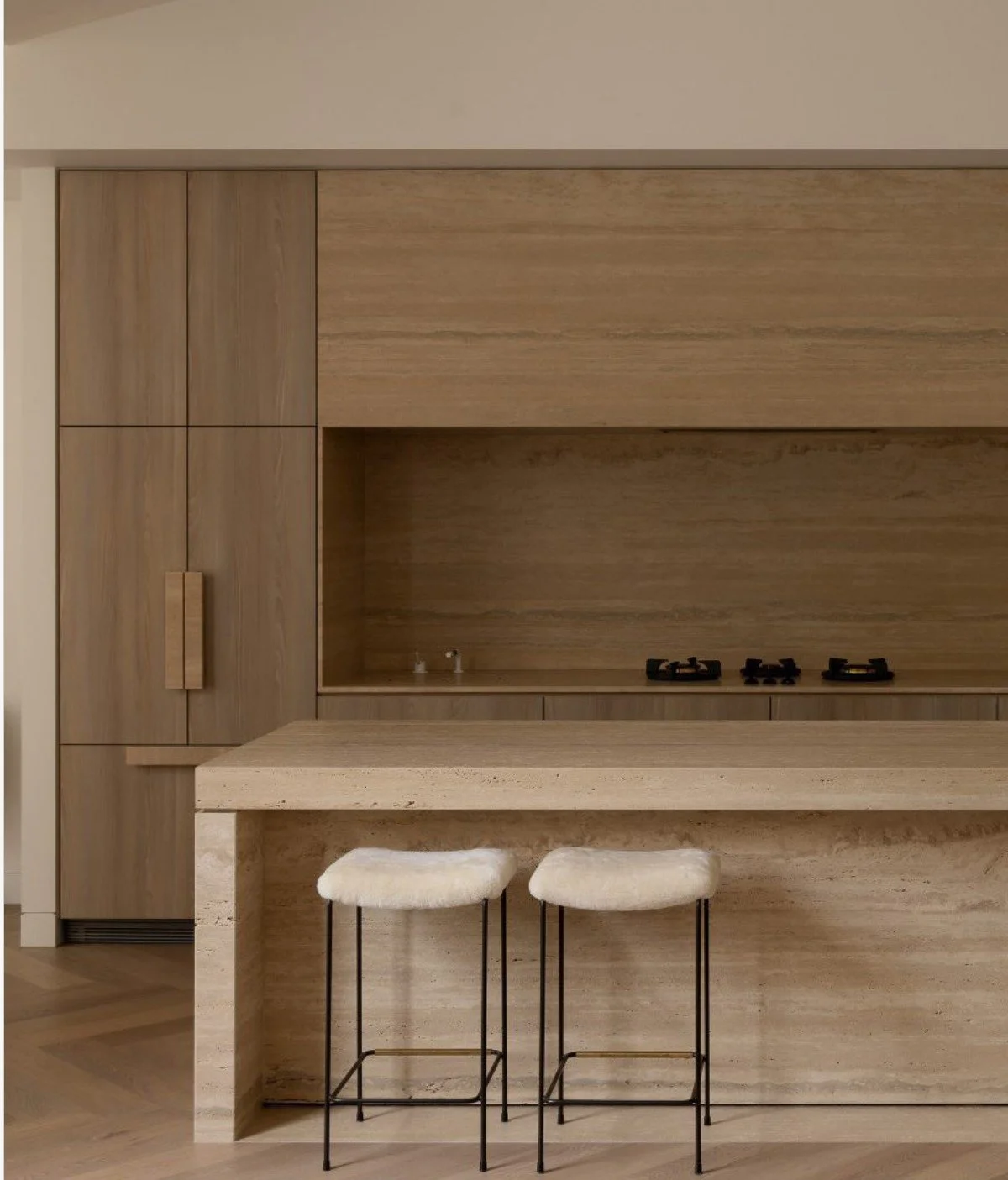
The interior fitout was carefully coordinated to ensure performance, durability, and visual clarity. Heating and cooling systems were integrated early, with in-slab hydronic heating to the ground floor and concealed ceiling systems above, delivering year-round comfort without compromise. Services and plant were planned from the outset to be fully concealed, allowing for clean detailing and reduced visual clutter.
Solid timber floors and custom spotted gum joinery provide warmth and longevity. All finishes were executed with minimal trims, no skirtings or architraves, demanding zero tolerance and exact setouts. Tiling was planned in coordination with cabinetry and structure to ensure alignment. External elements like wire balustrades, brick paving, and recycled hardwood were carried inside to maintain consistency and quality throughout the home.
Solid timber floors and spotted gum joinery for enduring quality
In-slab and in-ceiling hydronic systems installed for efficient, quiet thermal performance
Aftercare
6
We've remained actively involved through seasonal and on-demand aftercare, from routine timber oiling, tile sealing, and repainting to coordinating services and trades. We’ve ensured fittings remain sound, systems operate smoothly, and the home continues to perform as intended. Our knowledge of the build allows us to provide fast, efficient care when needed, even as the home evolves.
We’ve also supported the clients in upgrading and expanding the house post-handover, providing trusted assistance for everything from new fixtures to EV infrastructure and a proposed pool addition ensuring continuity, care, and craftsmanship beyond completion.
Routine timber maintenance, stone sealing, and lanscape material top-ups
Projects