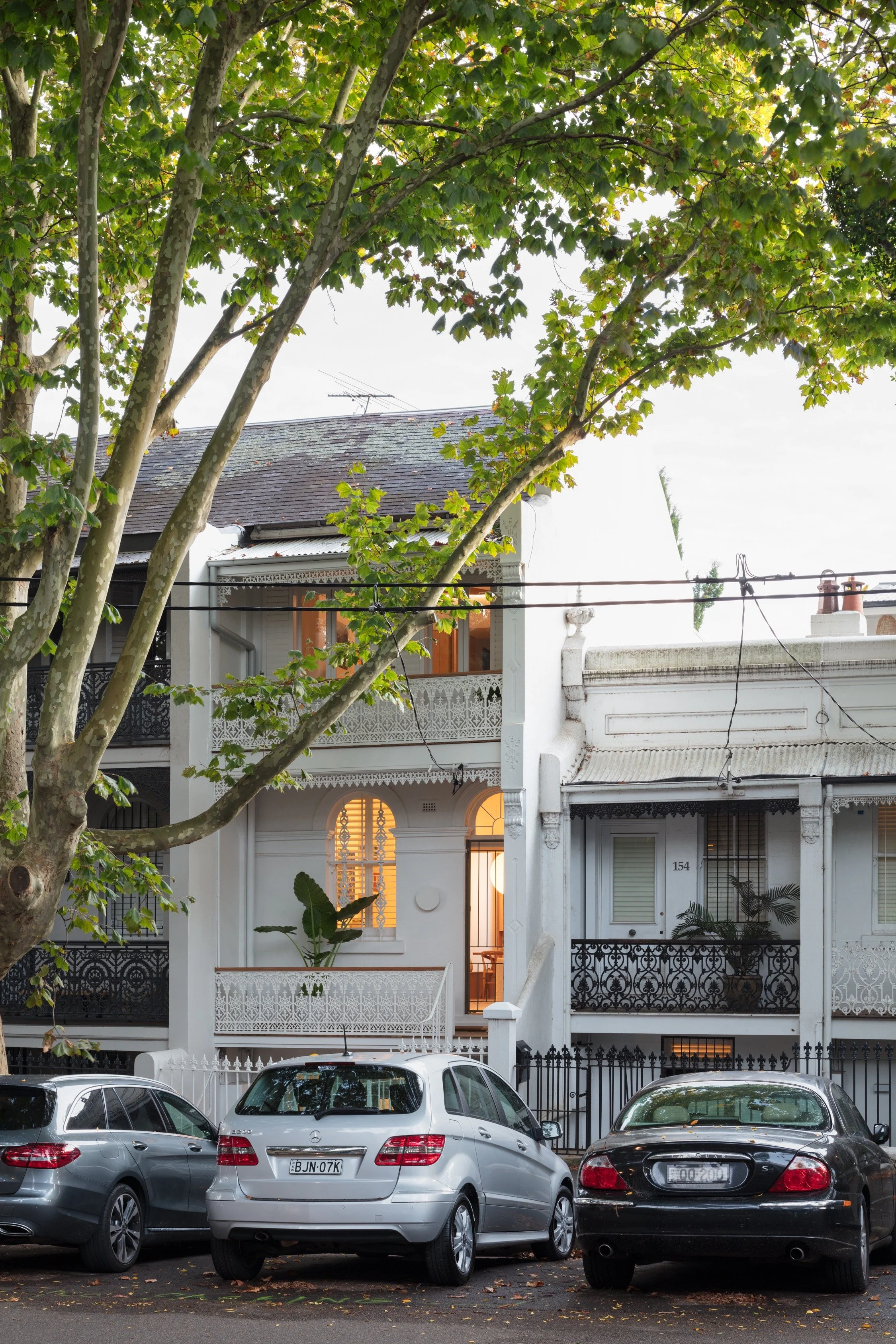
The streets of Paddington in Sydney are framed by Victorian-era homes, their facades adorned with intricate iron lacework and classical decorative details. Yet behind these heritage exteriors, surprises await. Once dark and closed off from their surroundings, many of these residences have been reimagined, transformed into bright, open spaces designed for modern living.
The Paddington St. House is a beautiful example of how old and new can come together seamlessly. The four-storey Victorian terrace has transformed into a warm and welcoming home for a young family, without losing its historic charm.
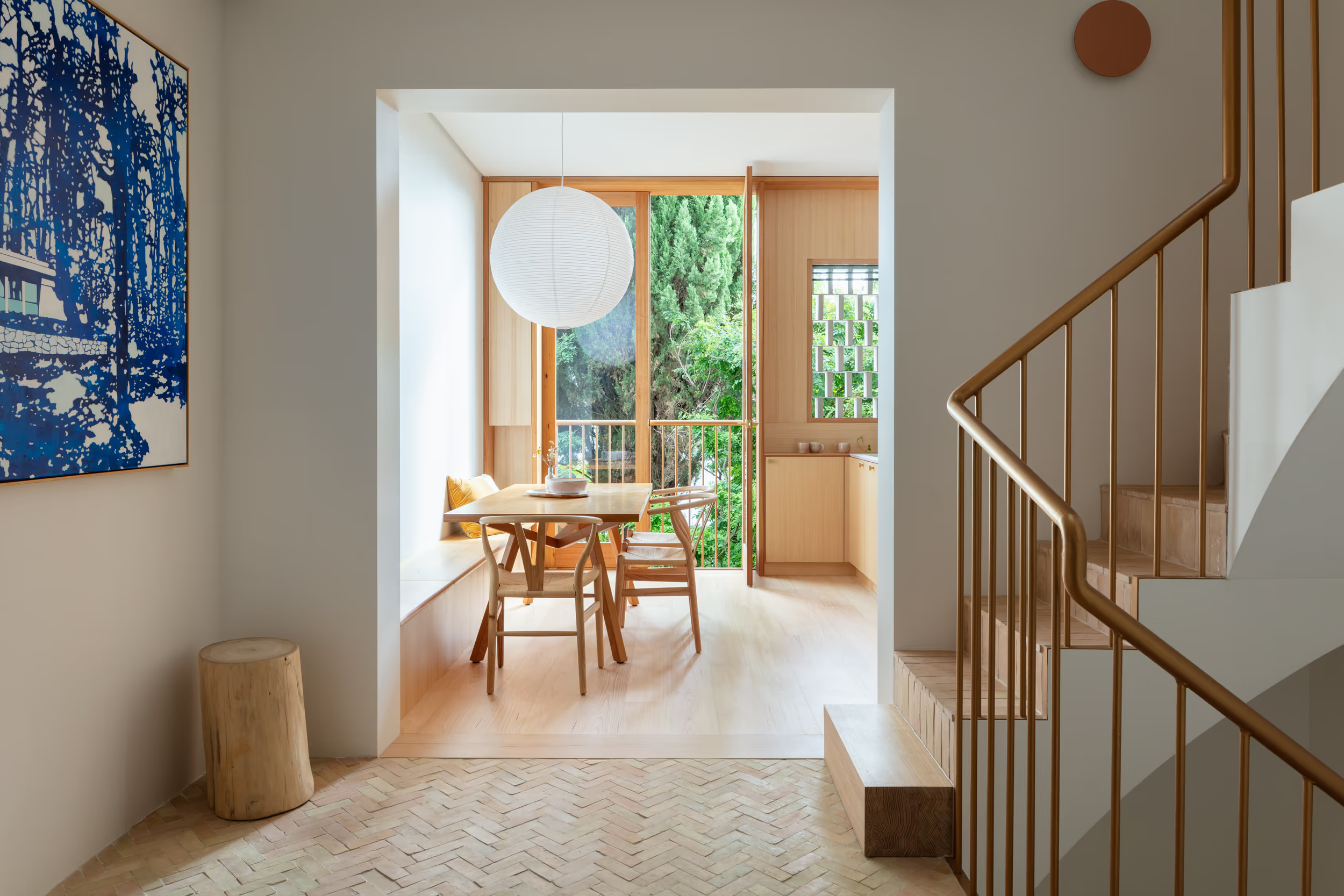
Inside, the layout has been reimagined so that the original rooms have been kept as is, while new spaces open up toward the back, allowing light and air to flow through the house. A central staircase acts as a spine, bringing everything together and helping the home stay comfortable year-round through smart passive design.
Type
Alterations and Additions
Architect
Trias
Engineer
SDA Structure
Photography
Clinton Weaver

Ground Floor Plan
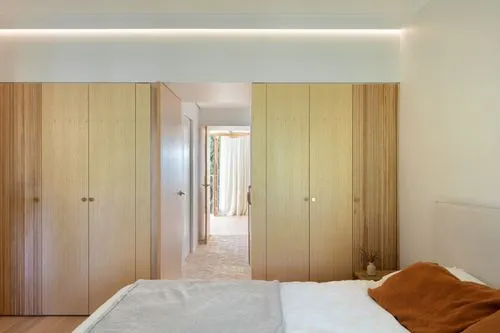
Built in robes that echo the original design.
01
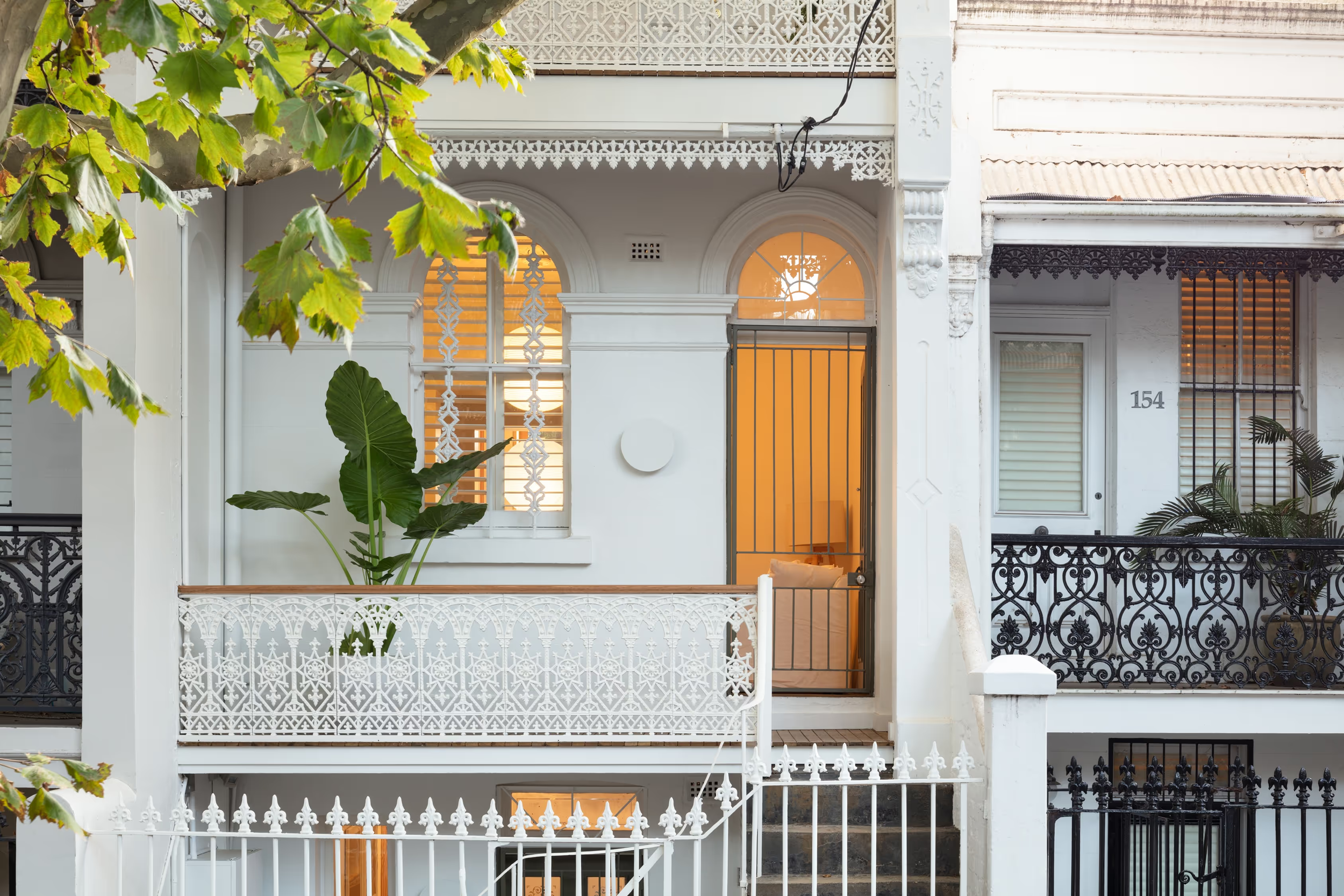
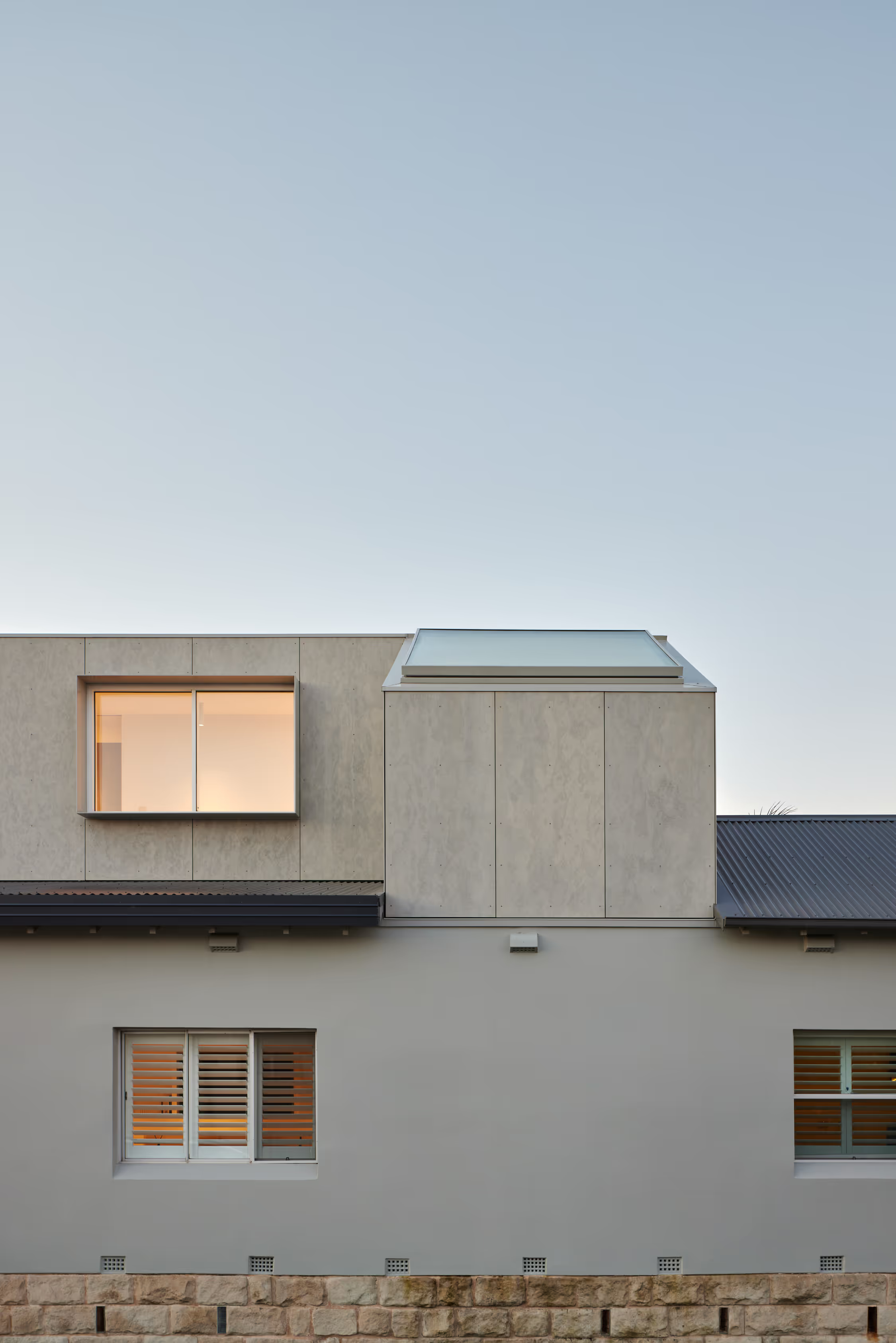
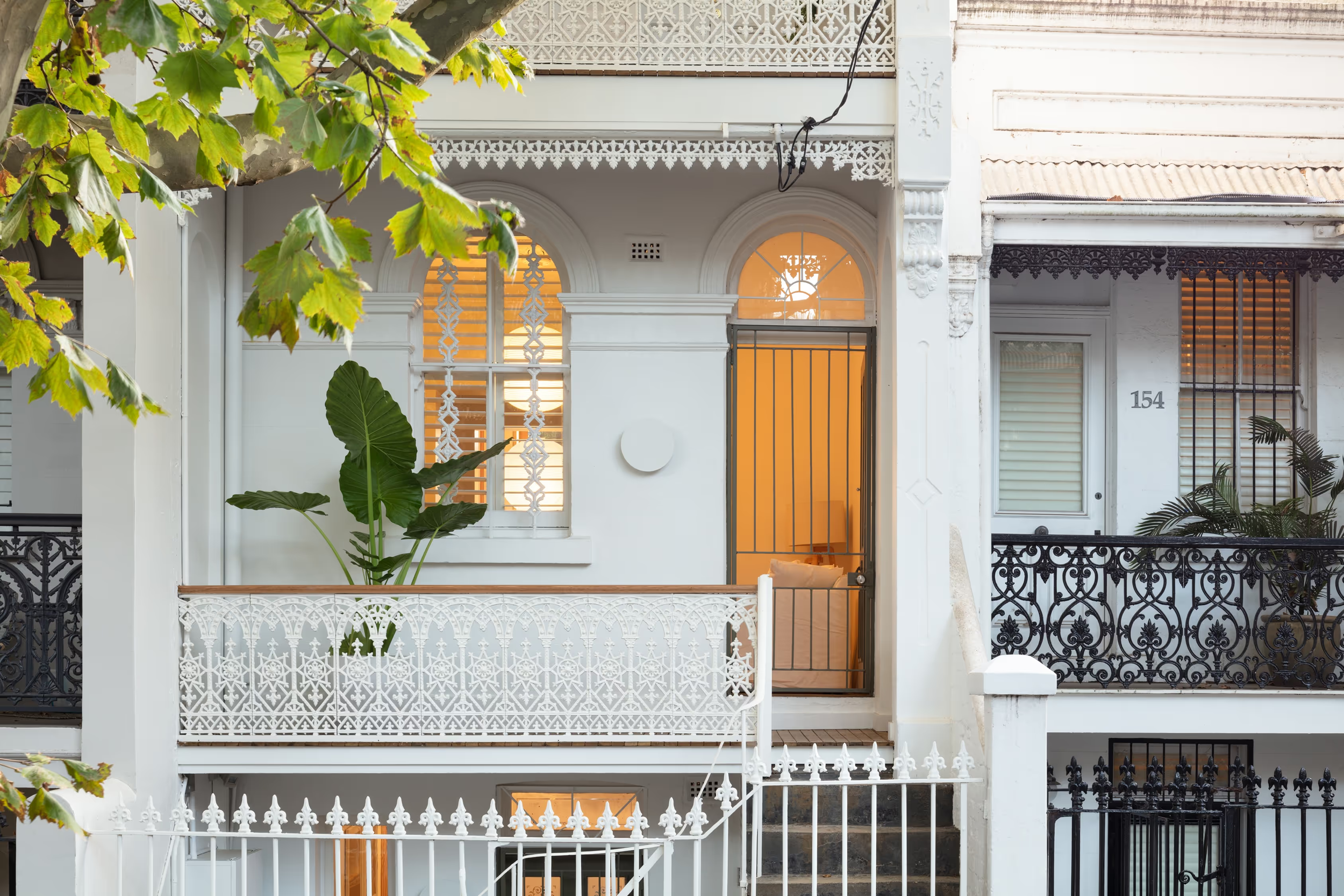
Street view of the terrace.
02
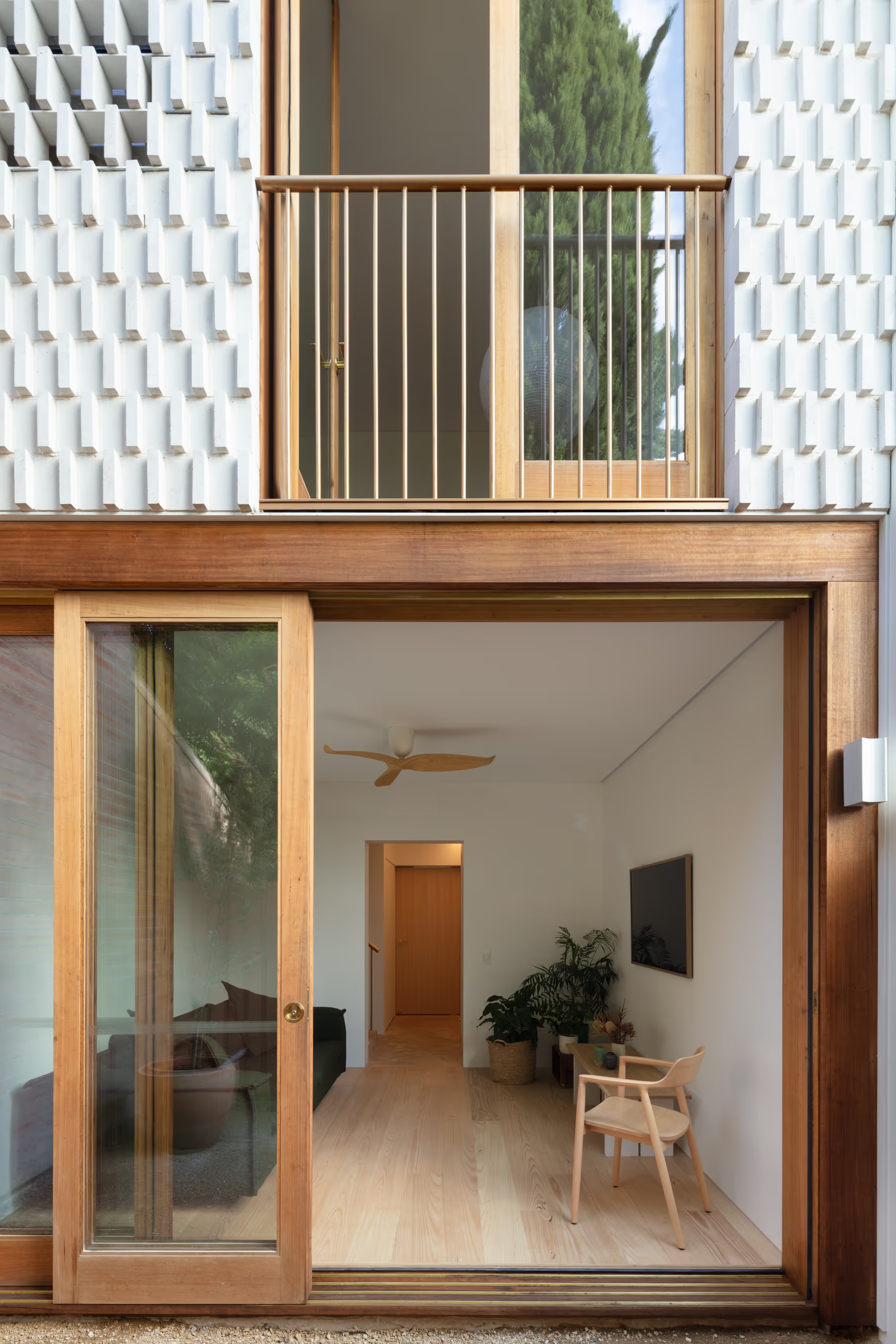
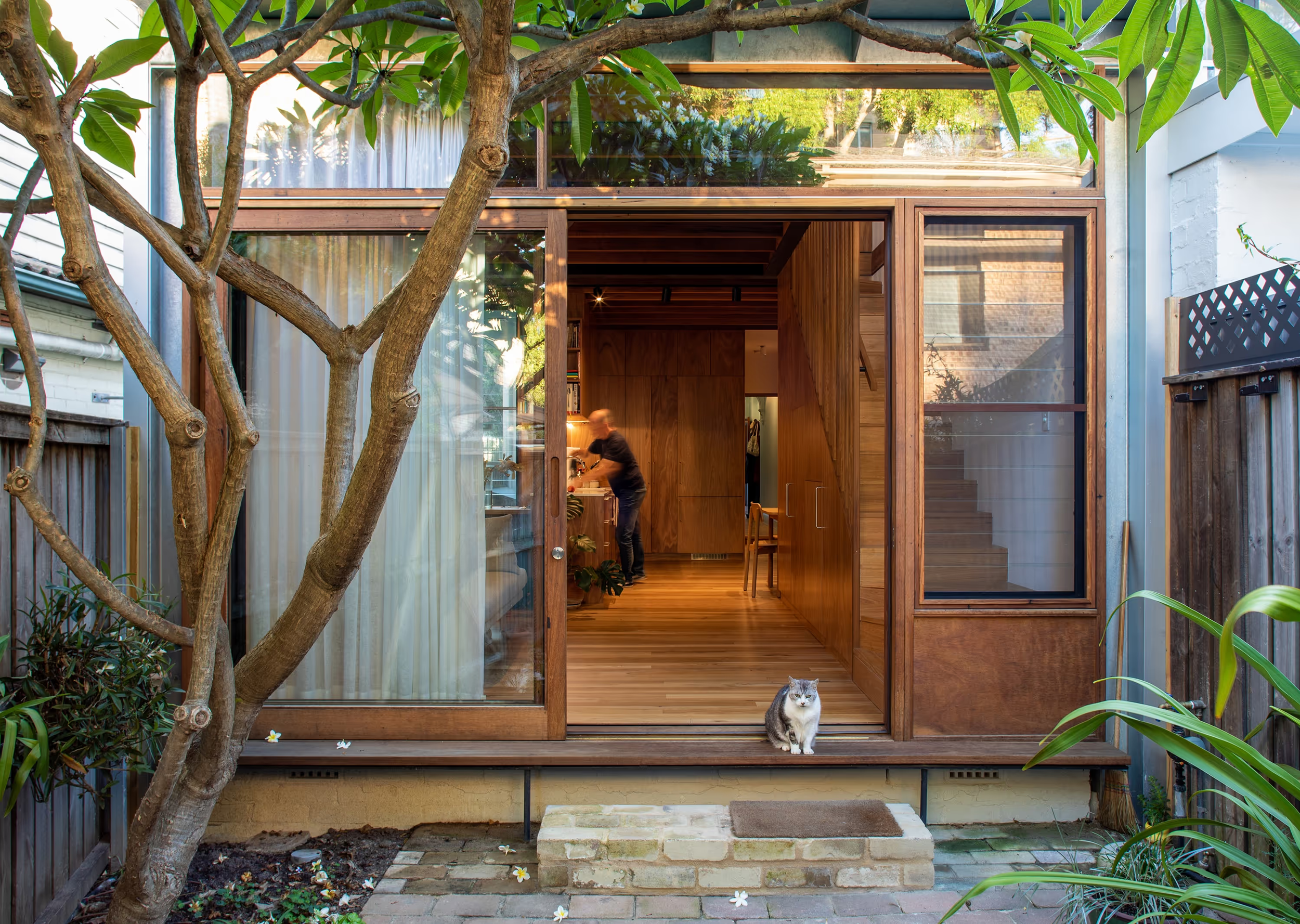
Outside entry into the lower lounge room.
03
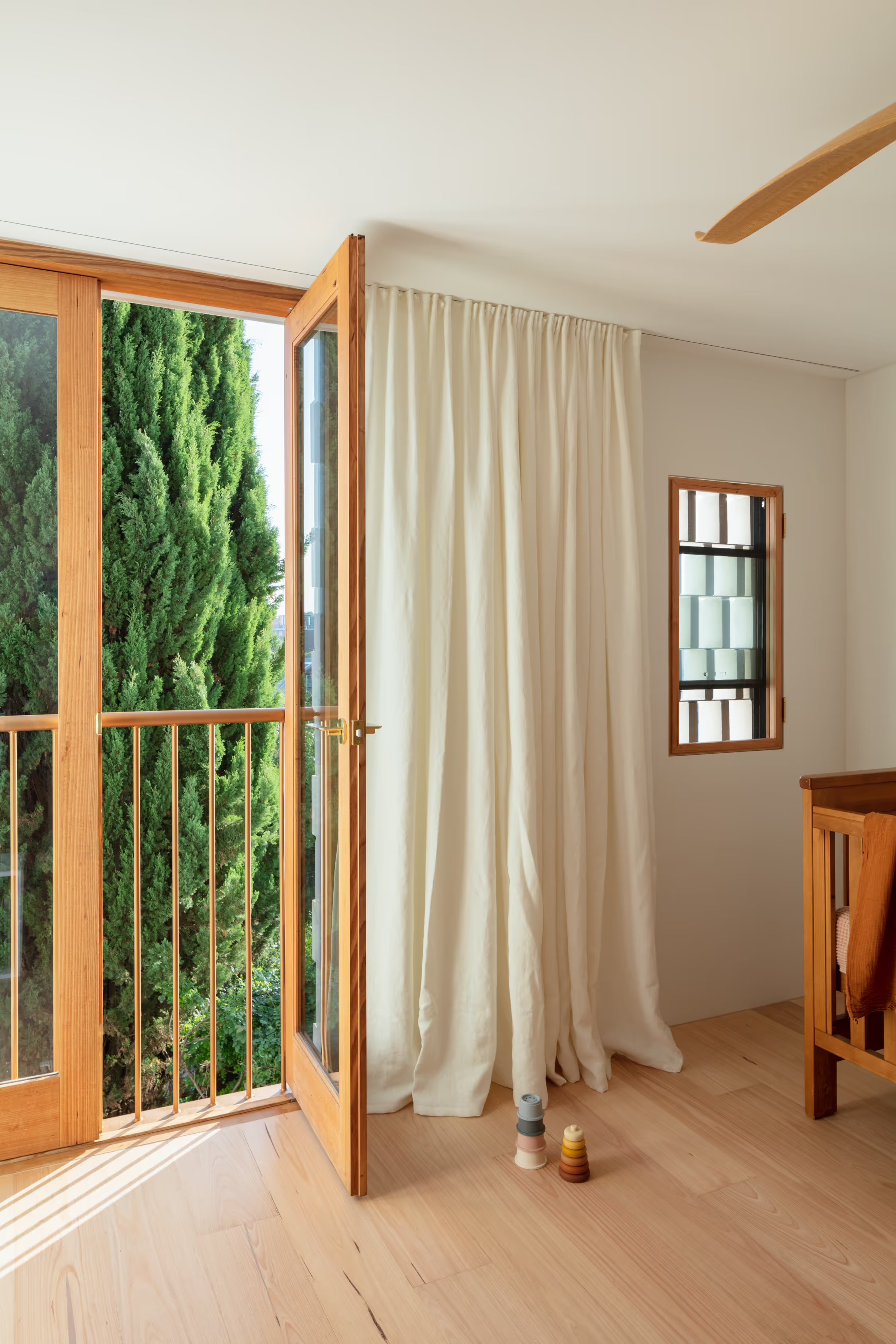
Recessed curtain tracks to block out eh outside world when required.
04
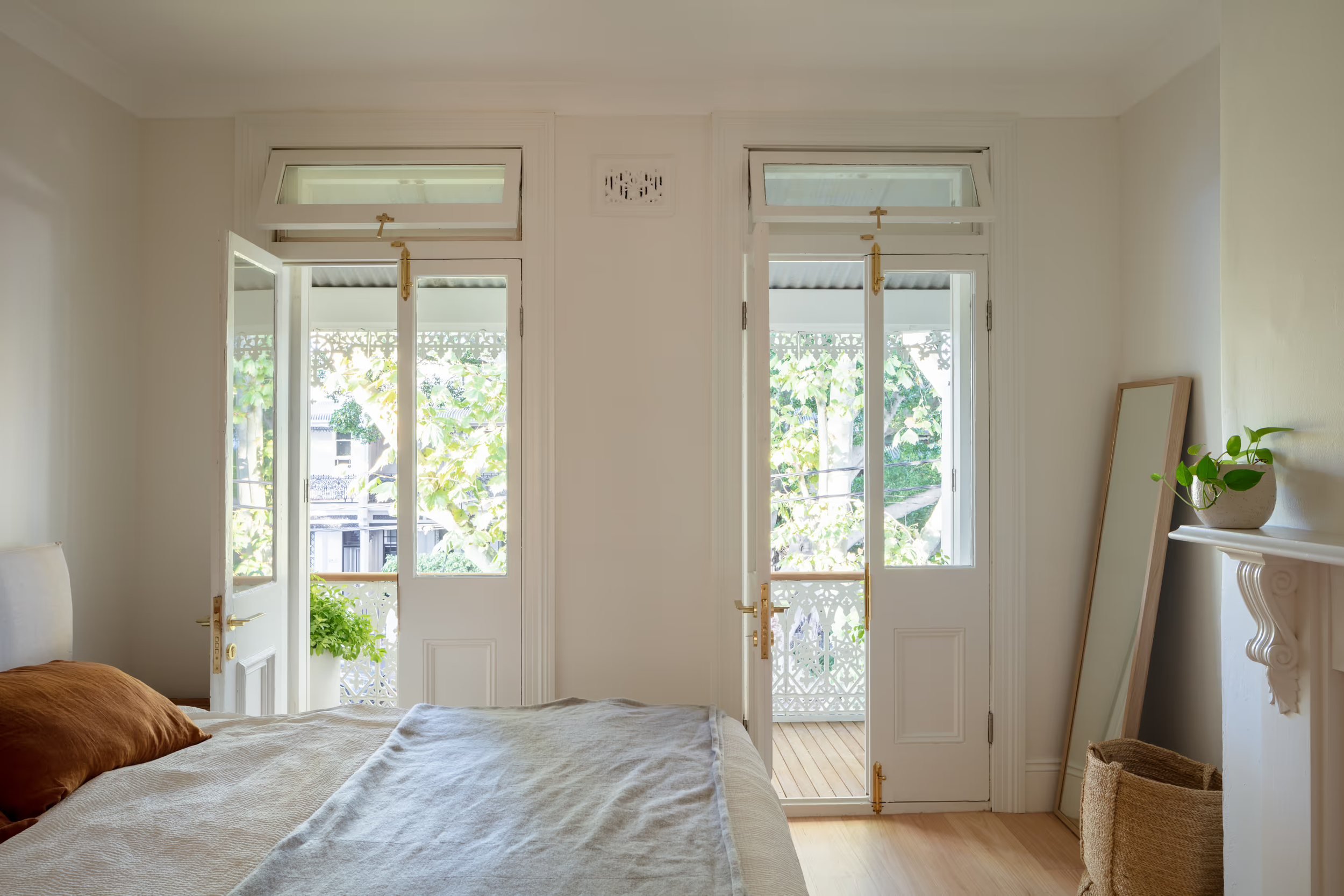
Restoration/referesh of the existing bedroom.
05
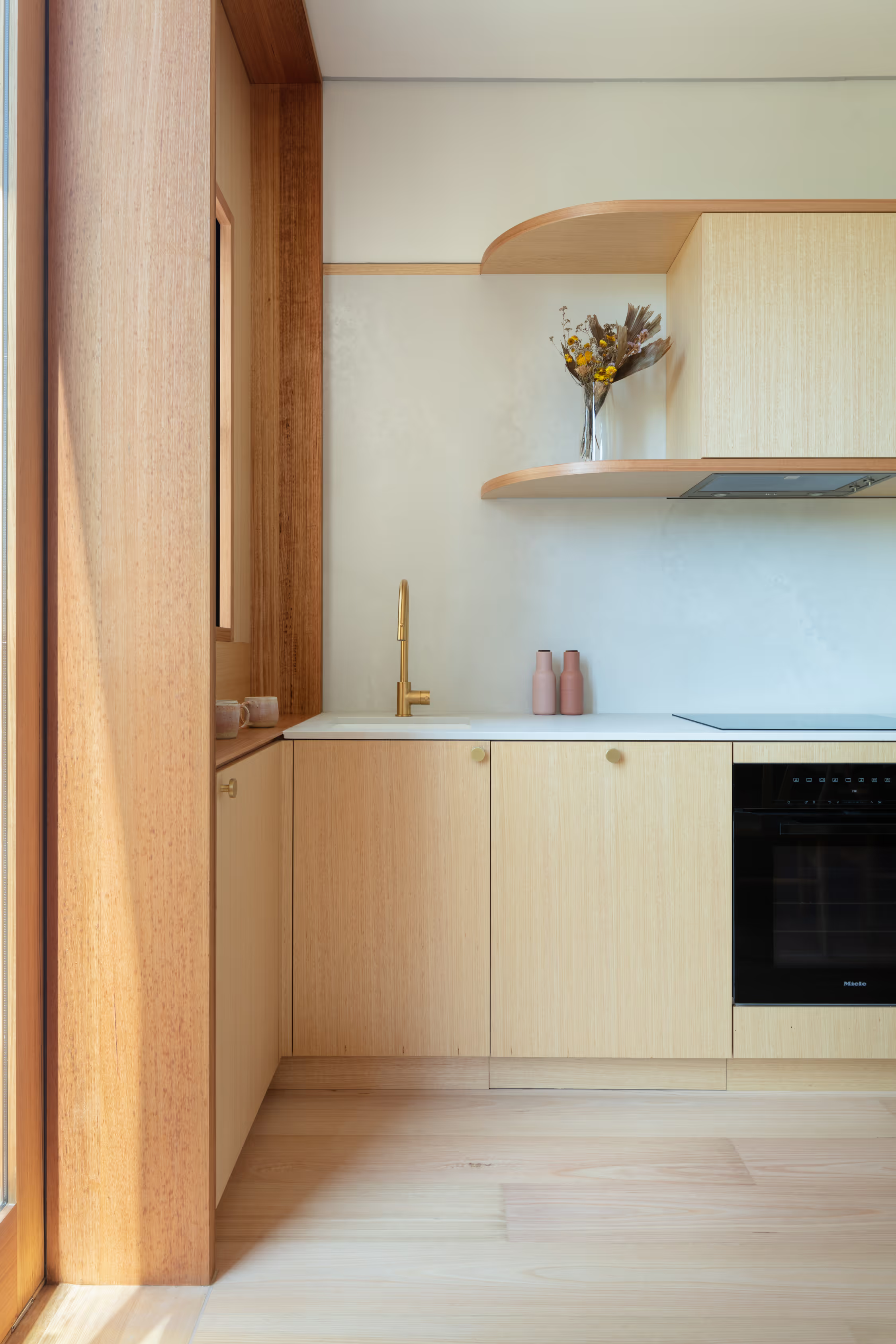
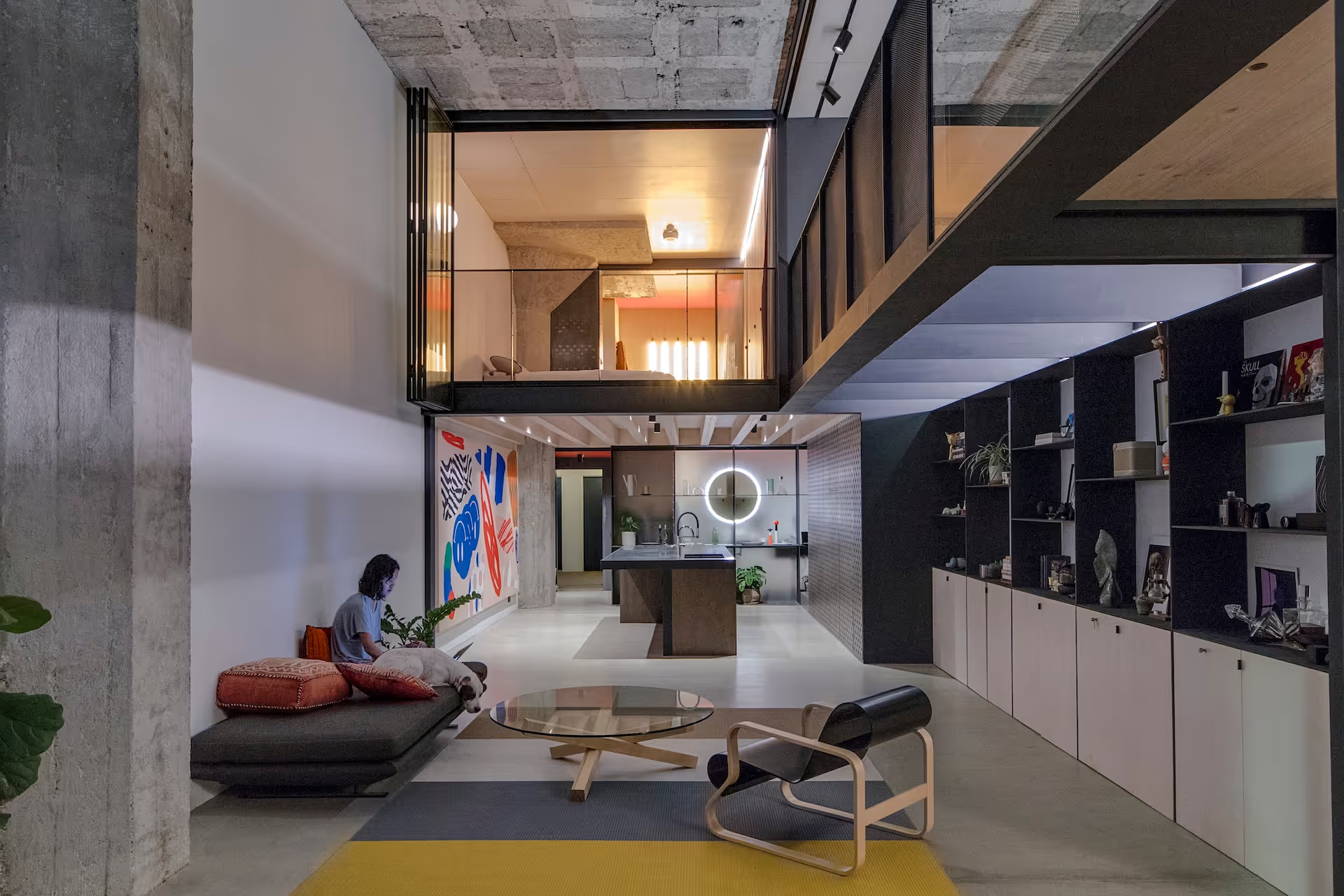
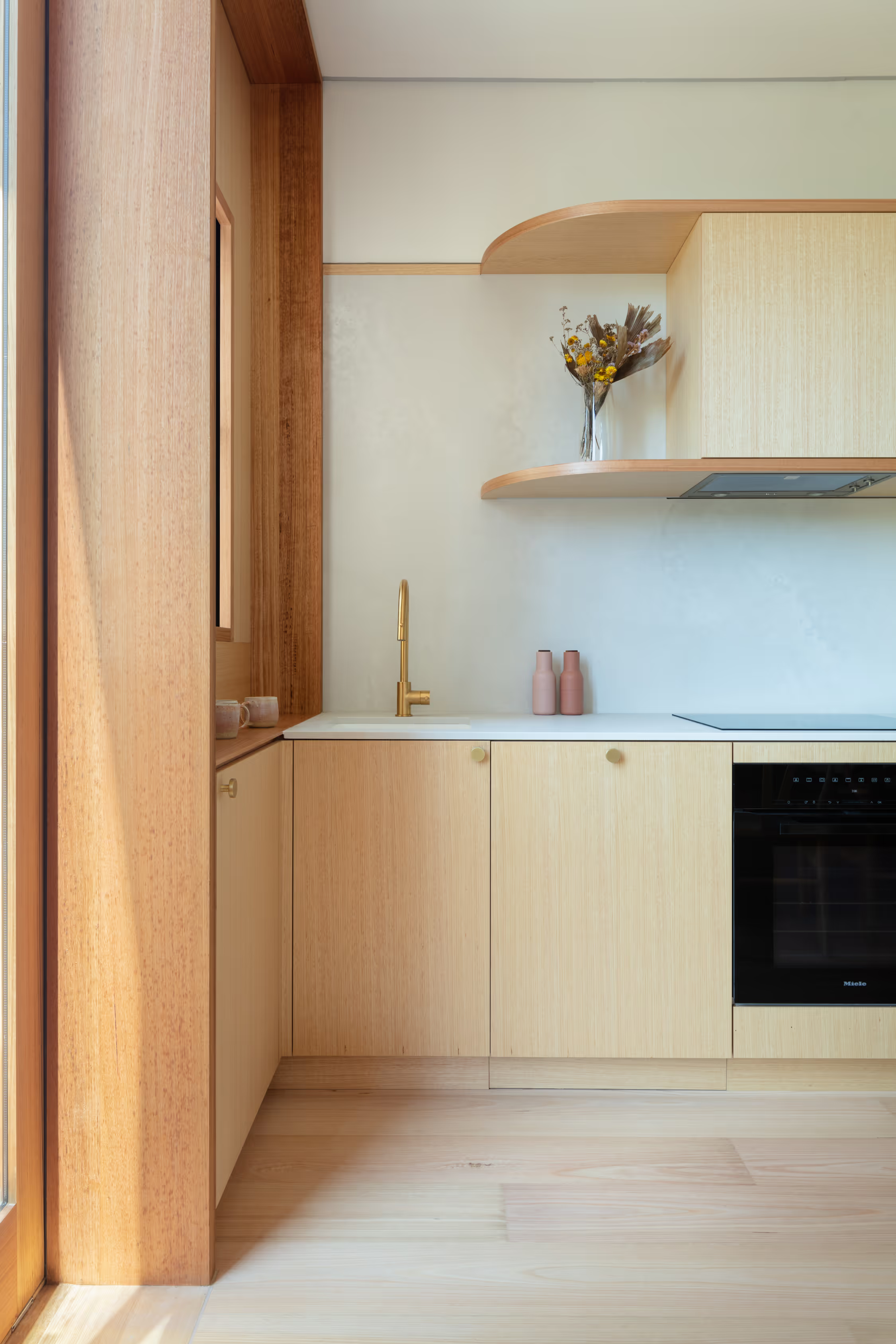
Kitchen that lines the south eastern wall.
06
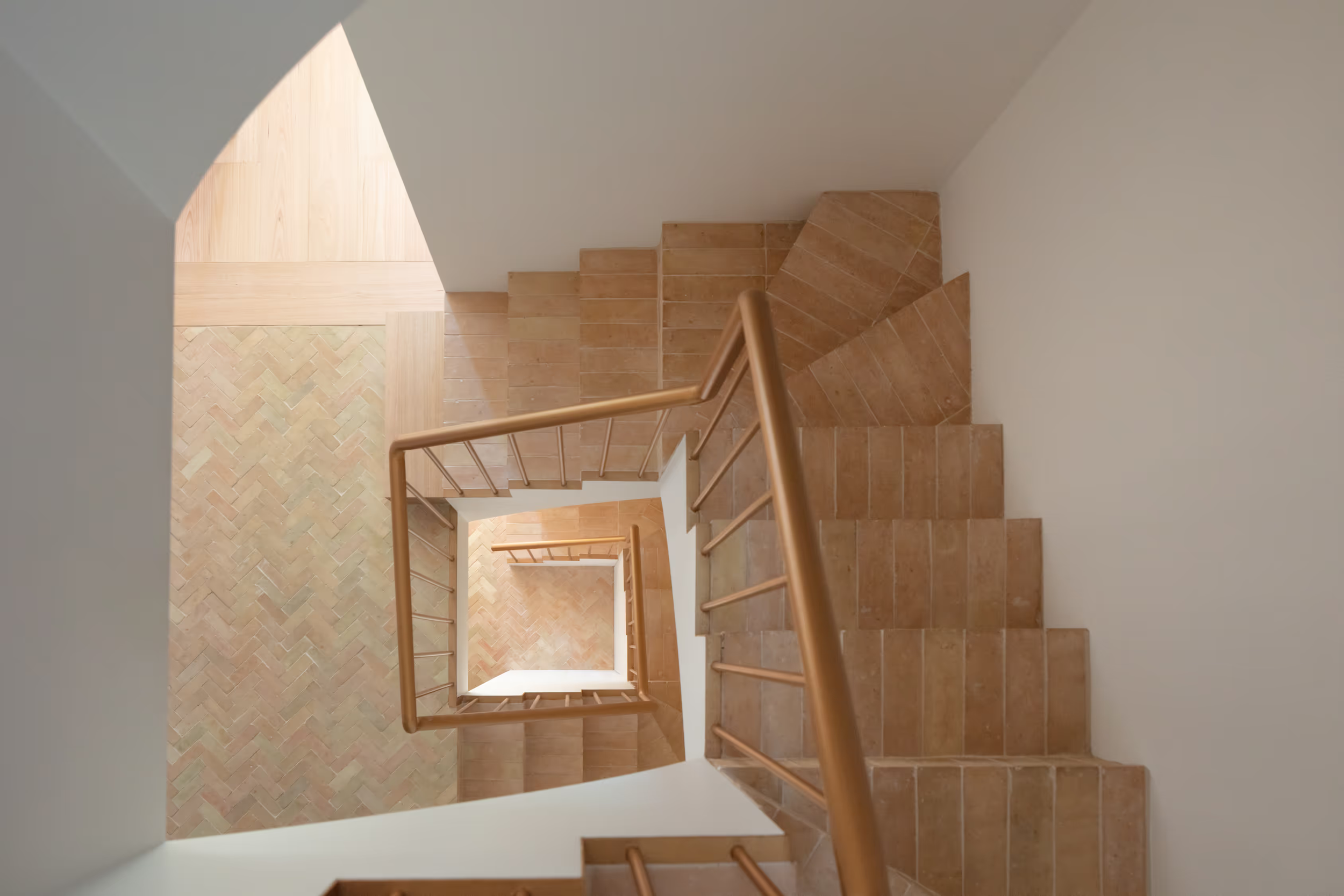
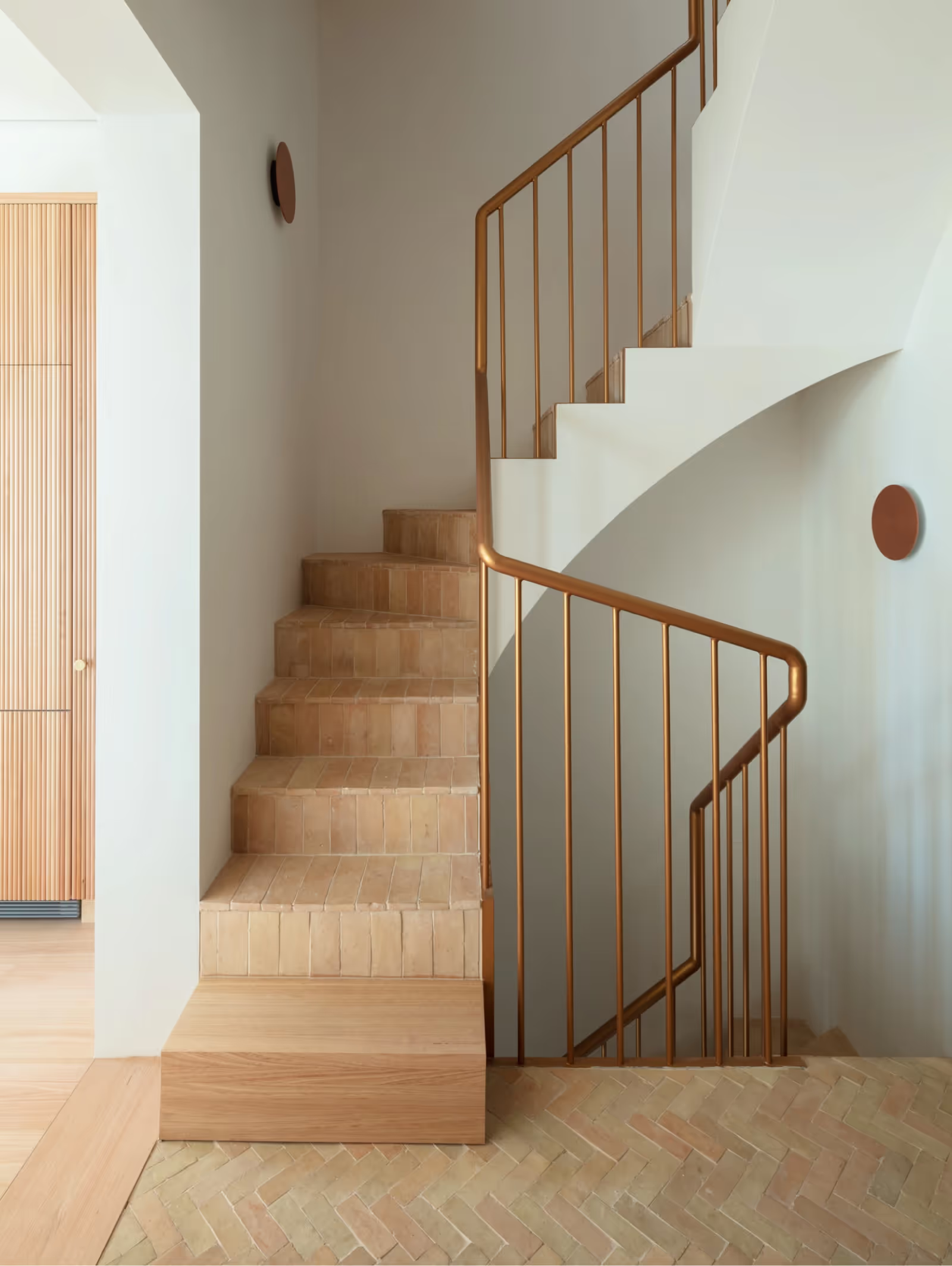
Spiral staircase that directs the natural light through the home.
07
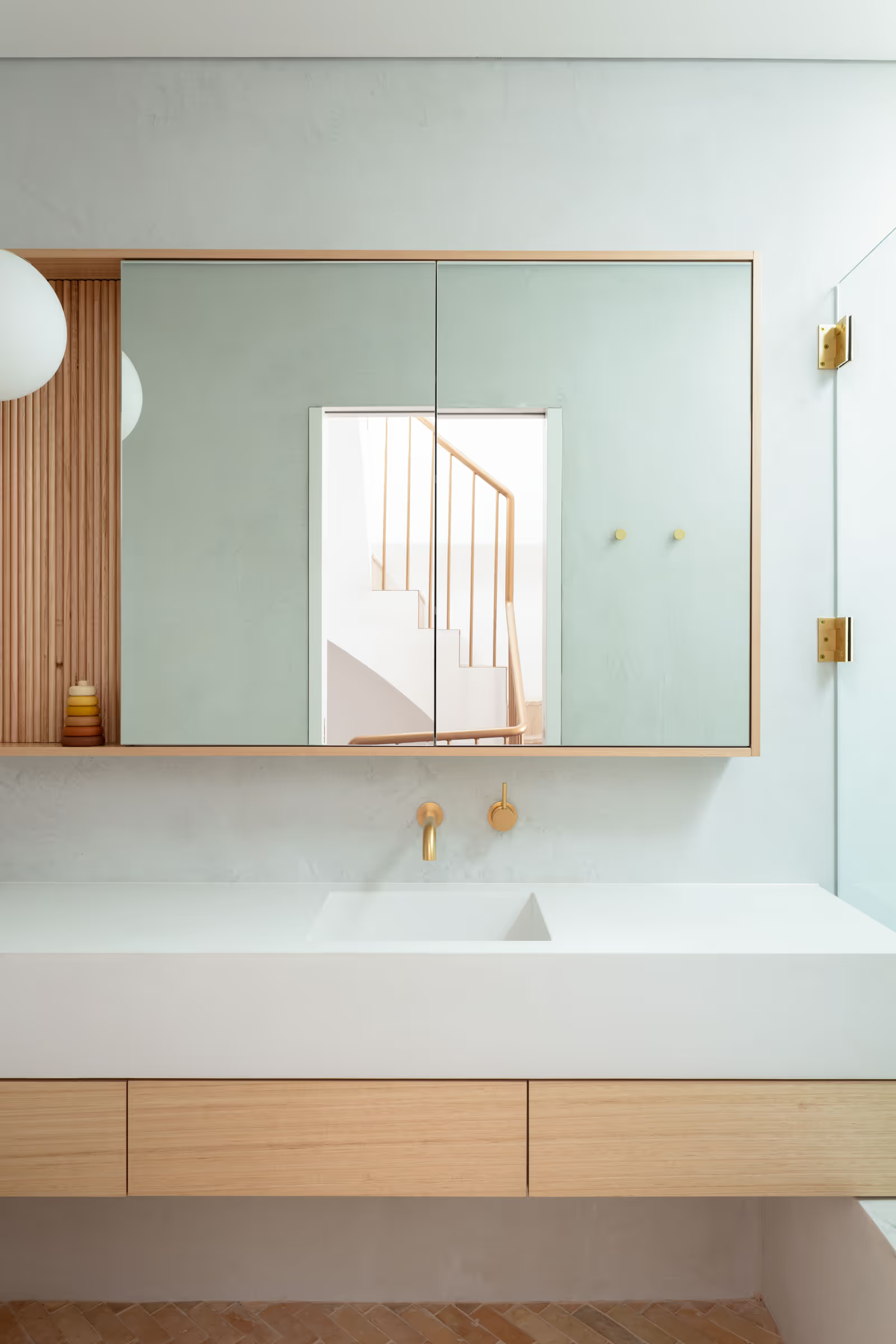
Concealed skylights provide natural light to the bathroom.
08
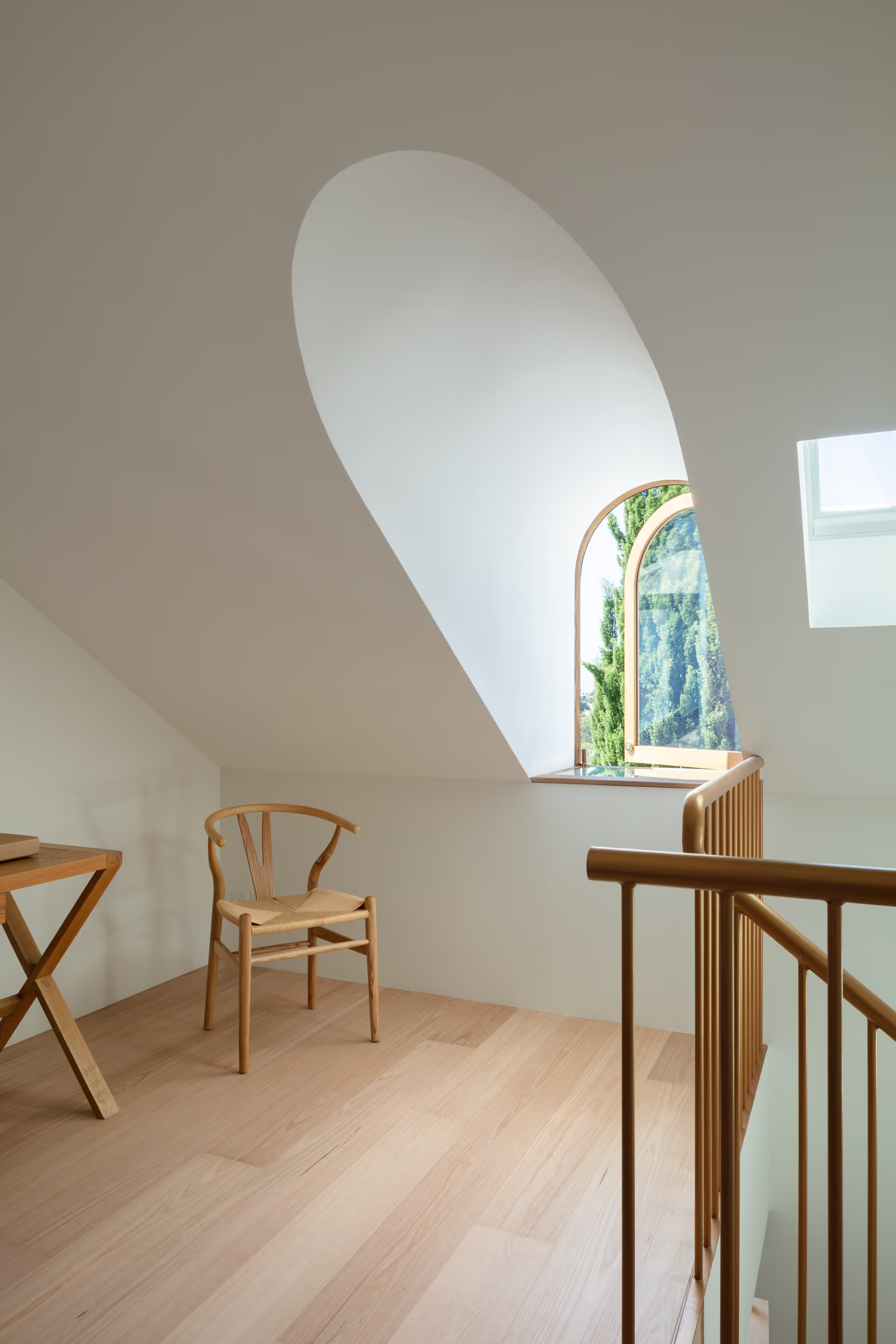
Complex arch window nook.
09
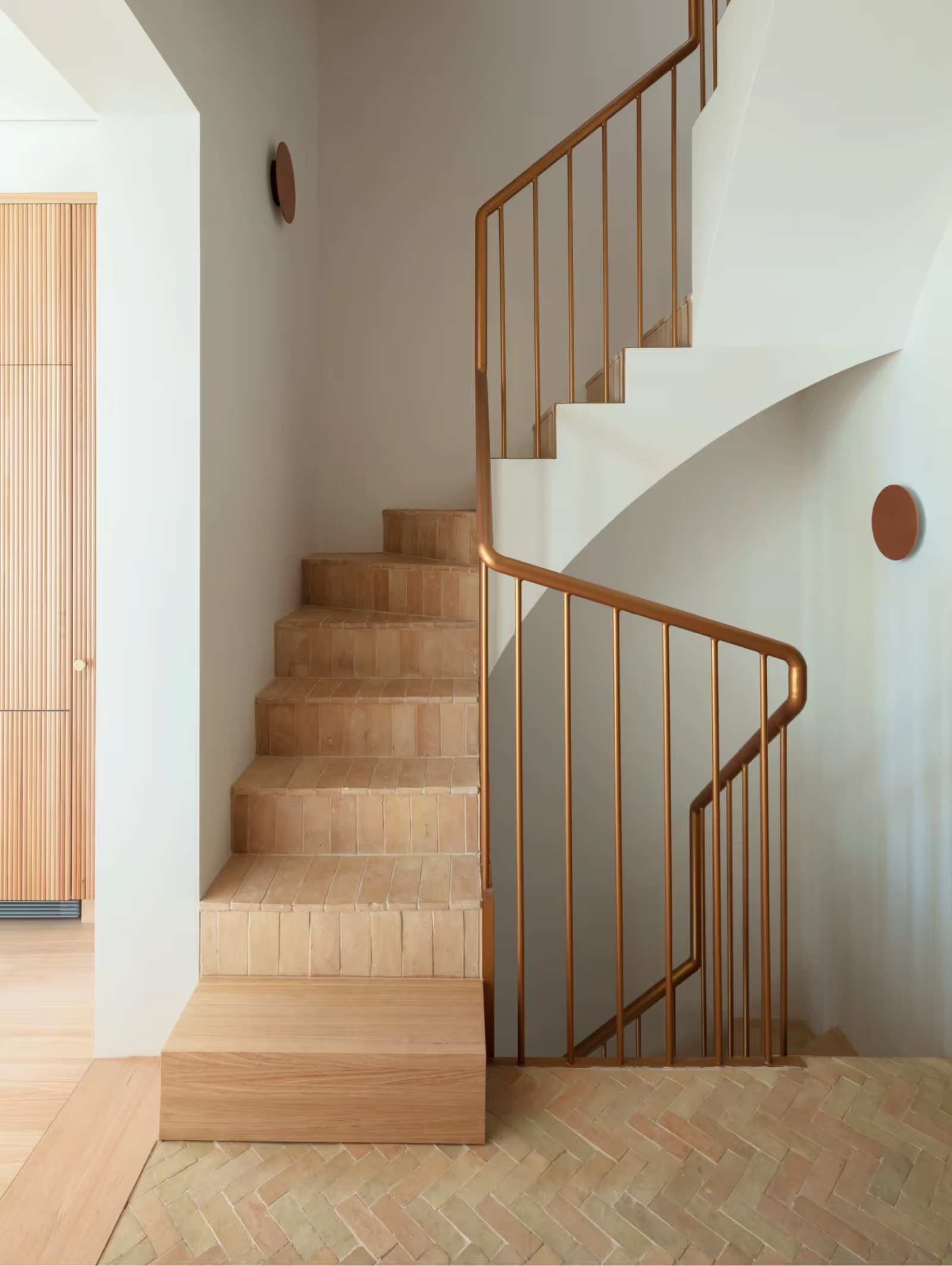
Terracotta staircase to connect all levels of the home.
10
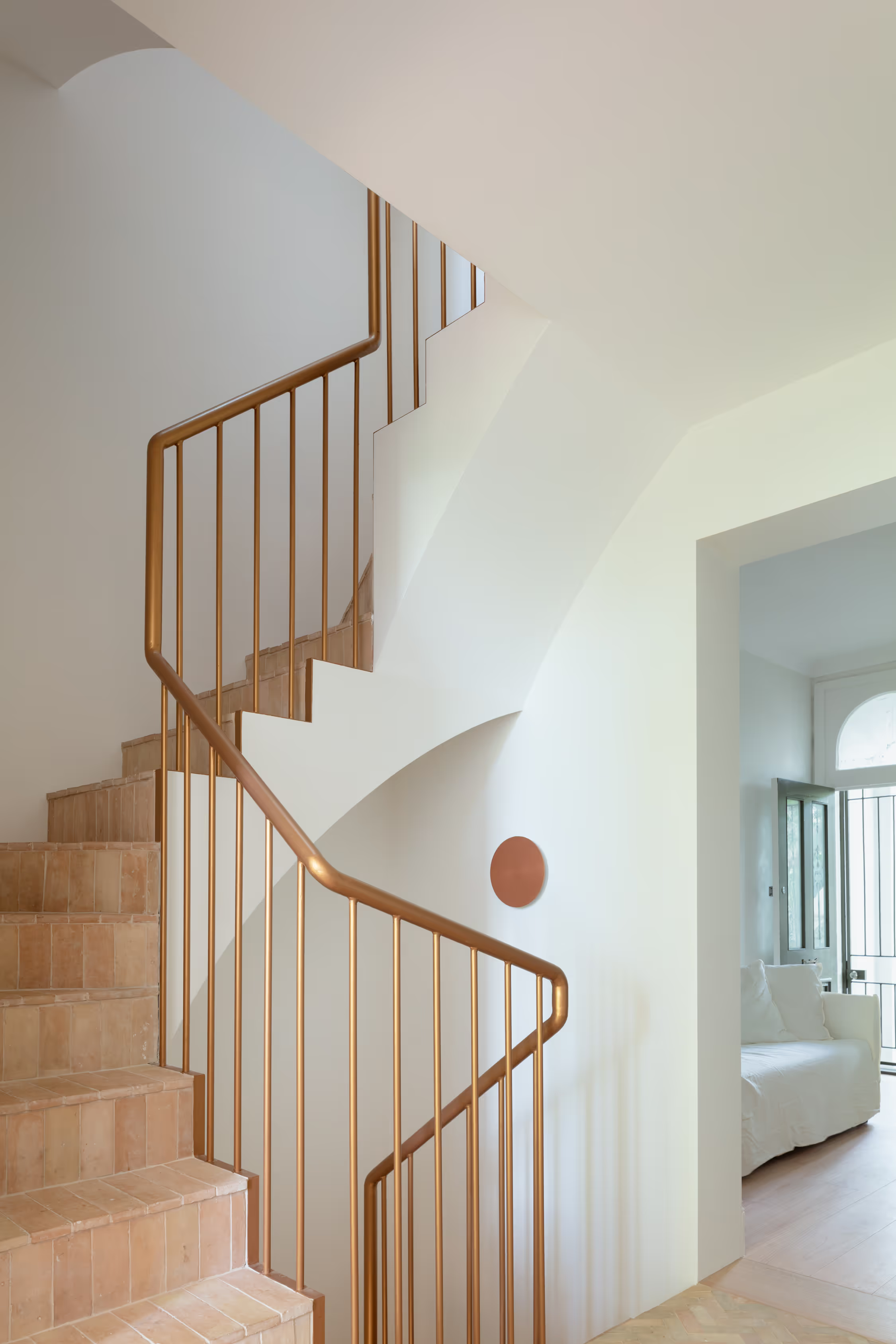
Custom made brass handrails to wrap the staircase.
11
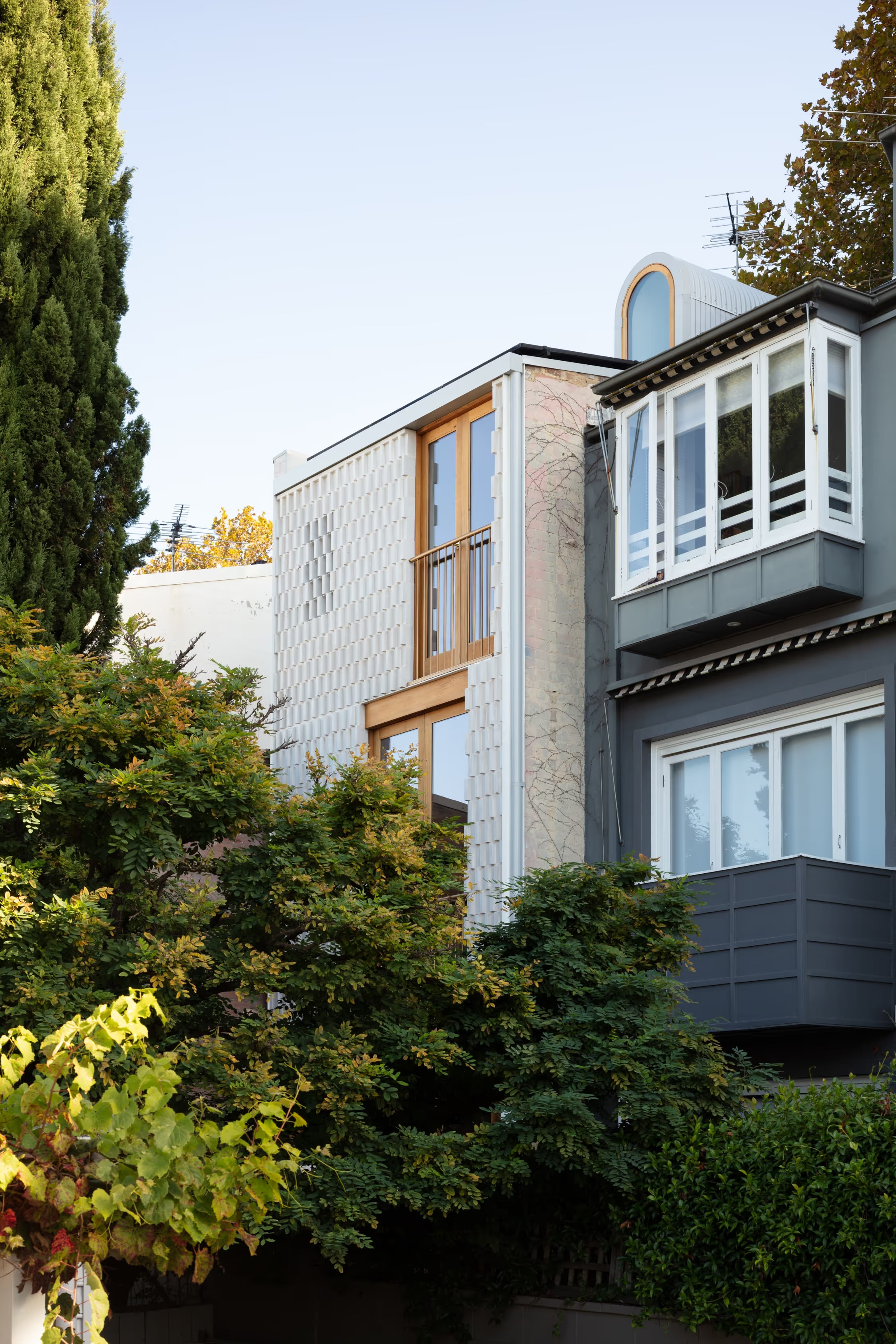
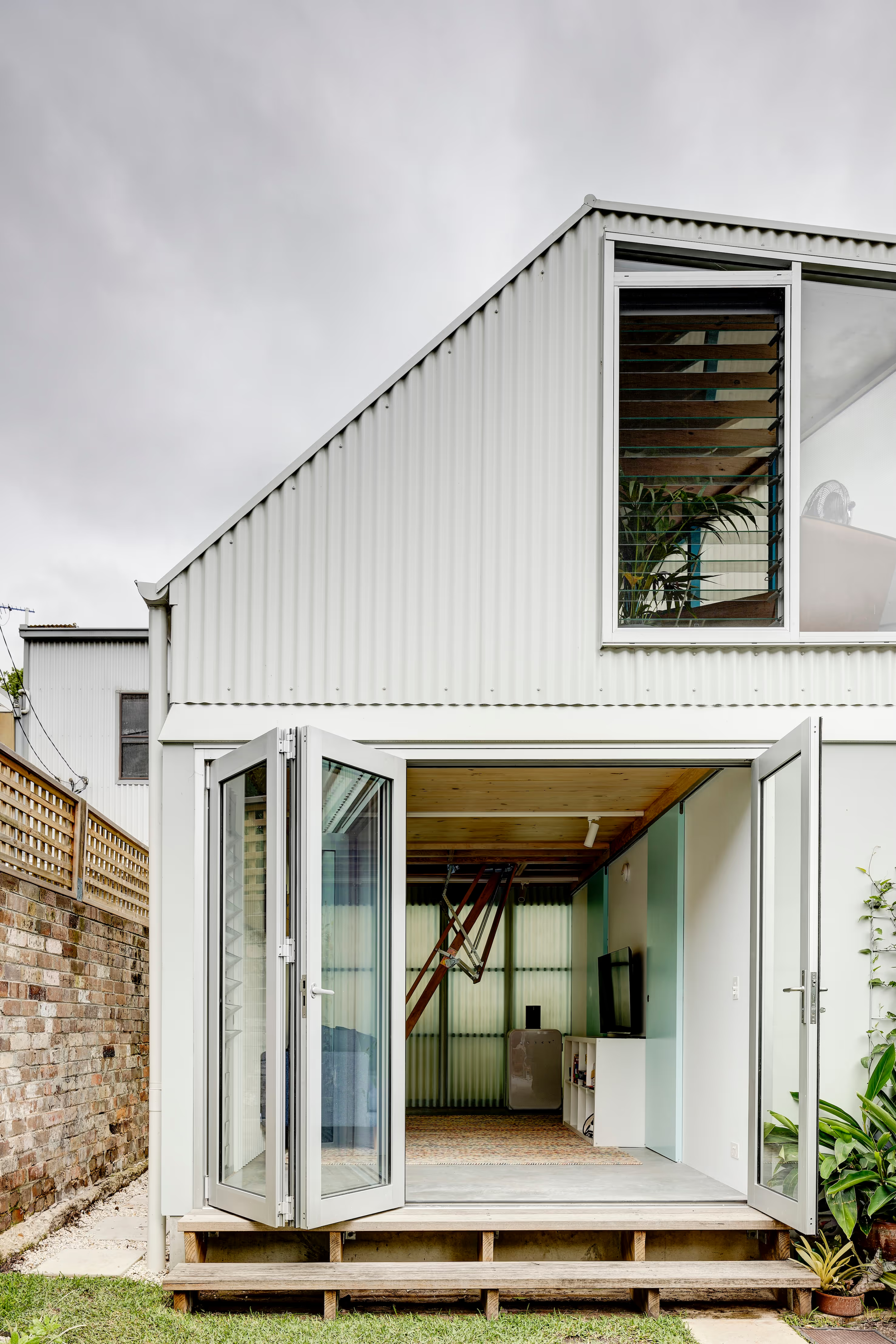
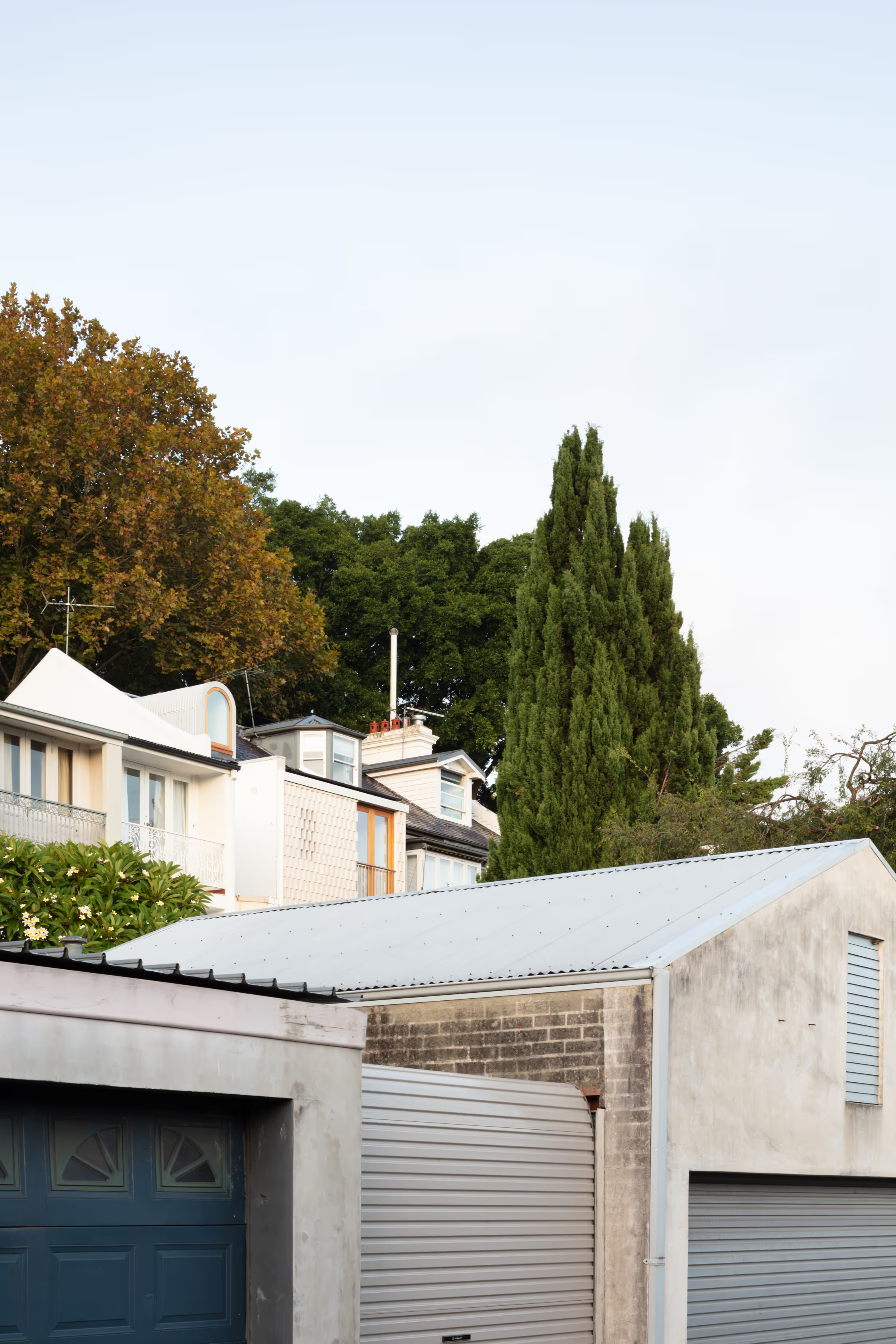
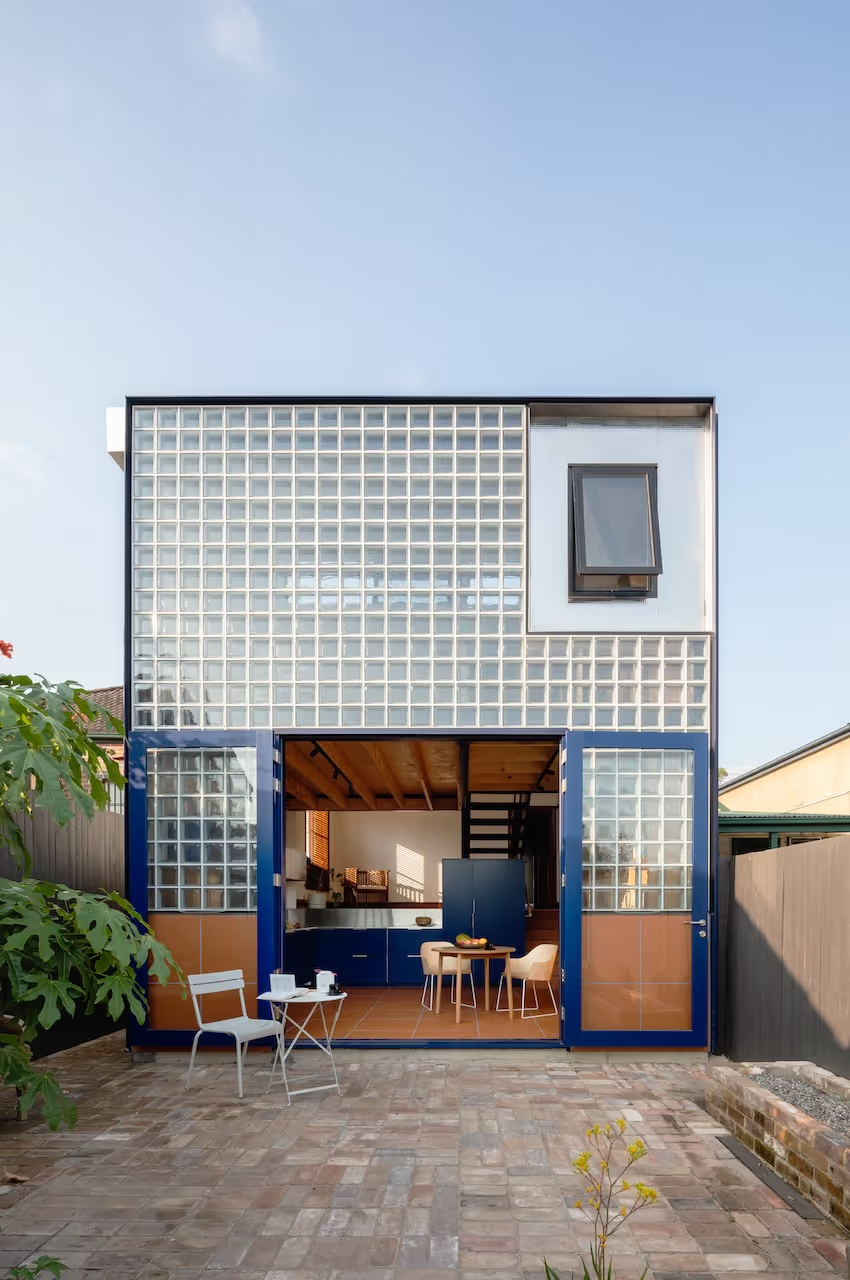
Laneway view of the rear of the terrace.
12
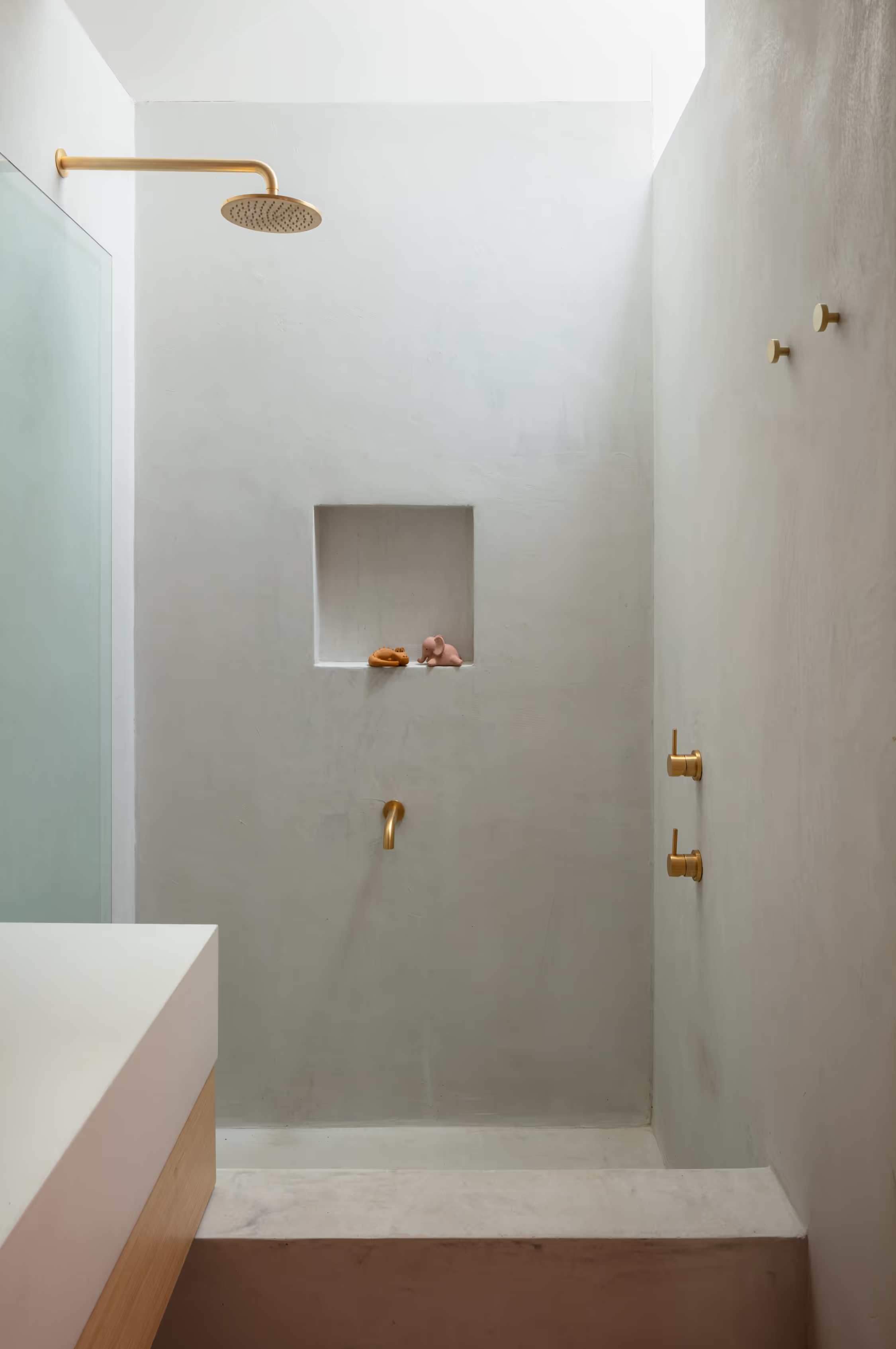
Microcement Roman bath and shower.
13
Our Impact
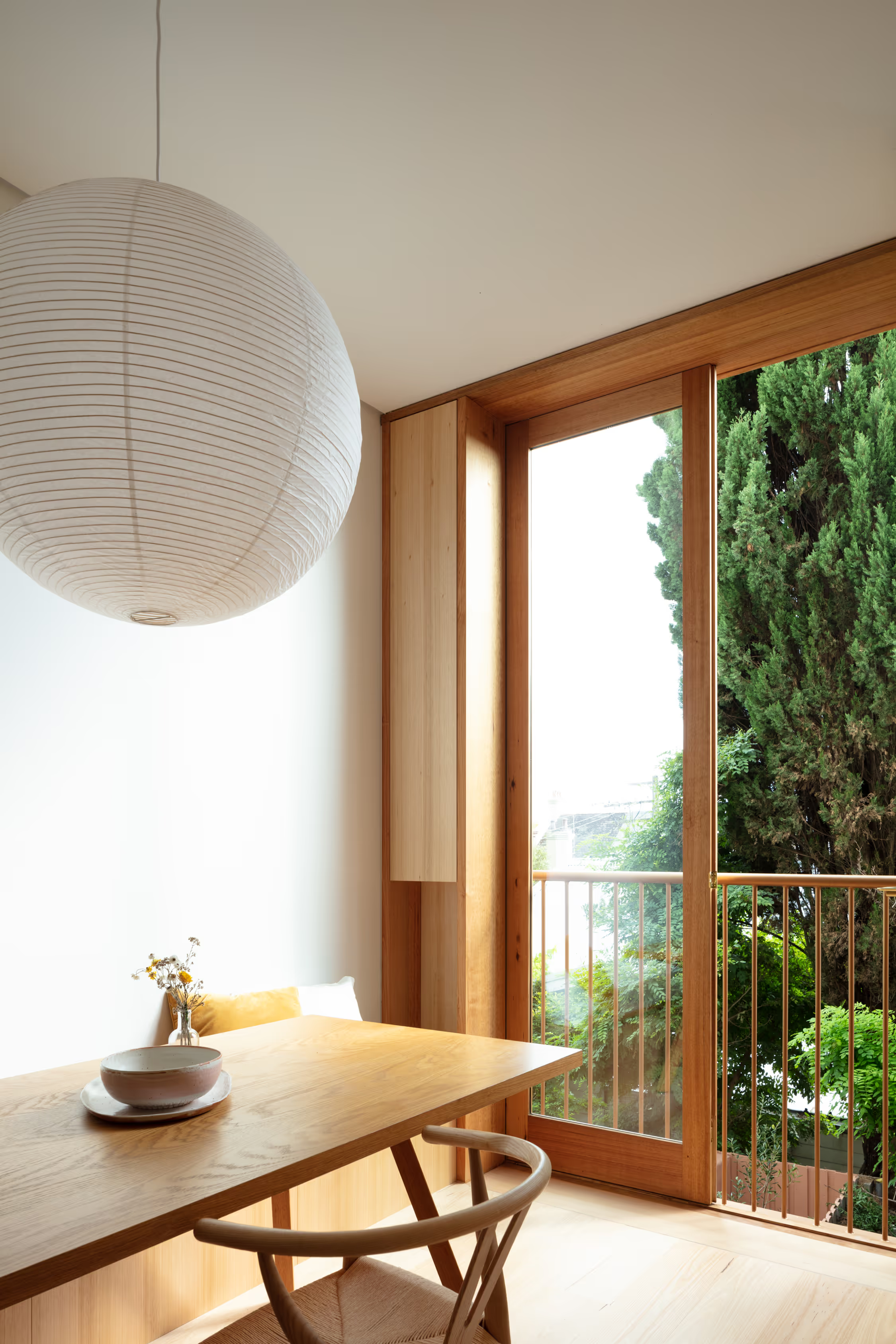
Comfort Built into Existing Envelope
Thermal mass from the masonry, paired with double glazing, insulation and natural ventilation, means the house stays comfortable year-round with less reliance on heating and cooling. It’s better for living, and better for running costs.
All-Electric Operation
The home operates entirely on electricity, no gas, no compromise. We upgraded the electrical system and made provisions for solar, creating a resilient, low-emission house that’s ready for the future. Simplifying services and aligning the build with long-term sustainability.
Material Reuse and Conservation
We retained as much of the original structure as possible from bricks and timber to the front rooms themselves reducing waste, conserving resources, and limiting disruption to neighboring properties. Every element kept was one less truckload in or out.
Quiet Build in Tight Conditions
With no off-street parking and only 12sqm of storage, every material came through the front door. Careful sequencing, early trade involvement and off-site prep helped reduce noise, congestion and disruption for both the build team and the neighbors.
Our Process
Pre-Construction
1
With no off-street parking and just 12sqm of outdoor space, every material had to come in and out through the front door. This made early planning essential. Careful sequencing, design coordination, and value engineering were key to making the project feasible, not just buildable, but beautifully resolved.
Program and Sequencing within Complex Site Constraints
Value Engineering to Align Budget with Design Intent
Early Sub-Contractor Input to Guide Methodology and Feasibility
Early Works
2
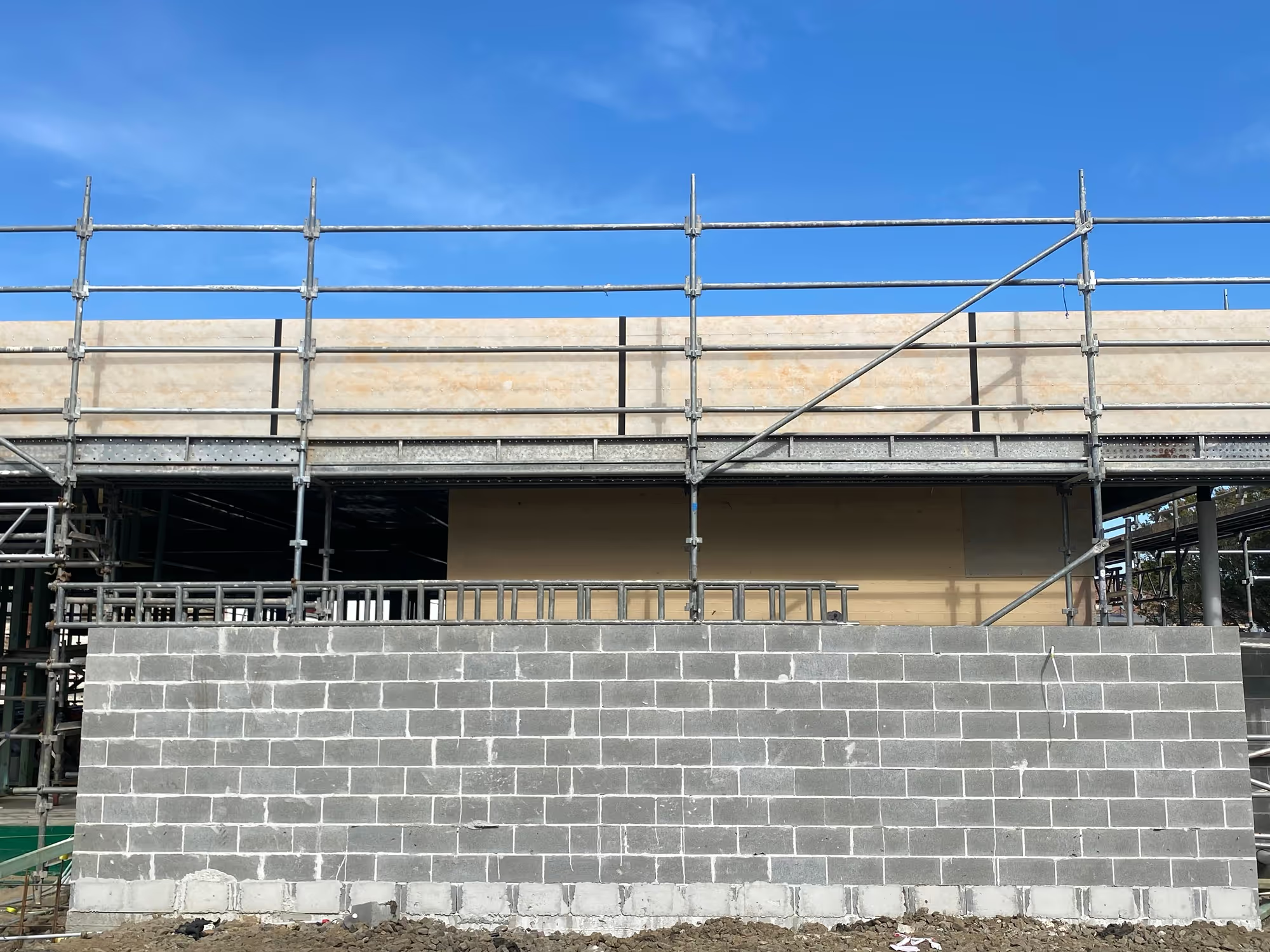
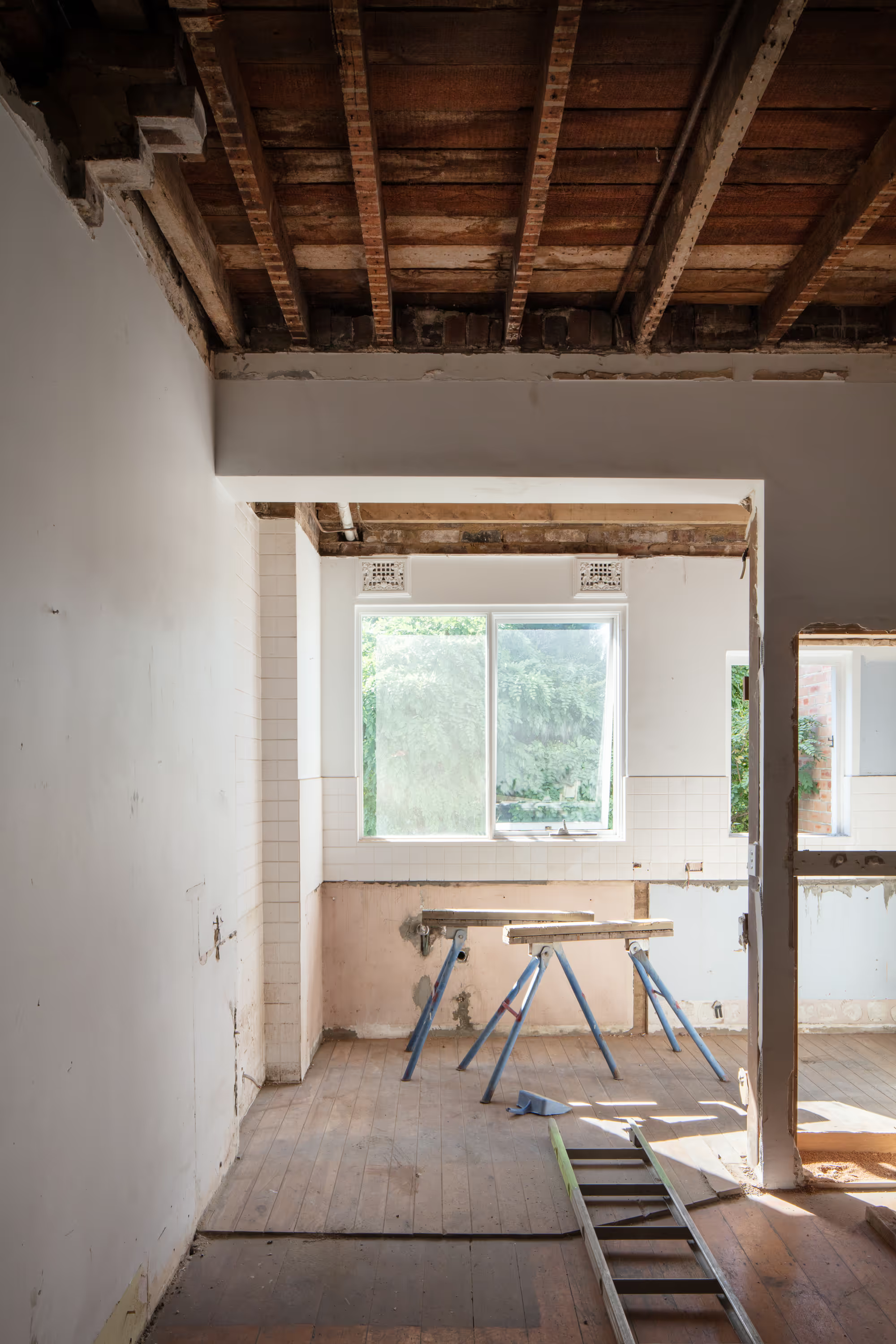
Surgical demolition was required to carefully retain the front rooms while preparing the structure for major alterations. Works included underpinning along the 4-storey boundary, salvaging original brick and timber for reuse, and creating pathways for new services .
Temporary Bracing to Support Retained Heritage Structure
Underpining Boundary Foundations and Party Walls
Sequential Demolition to Protect and Preserve Existing Fabric
Structure
3
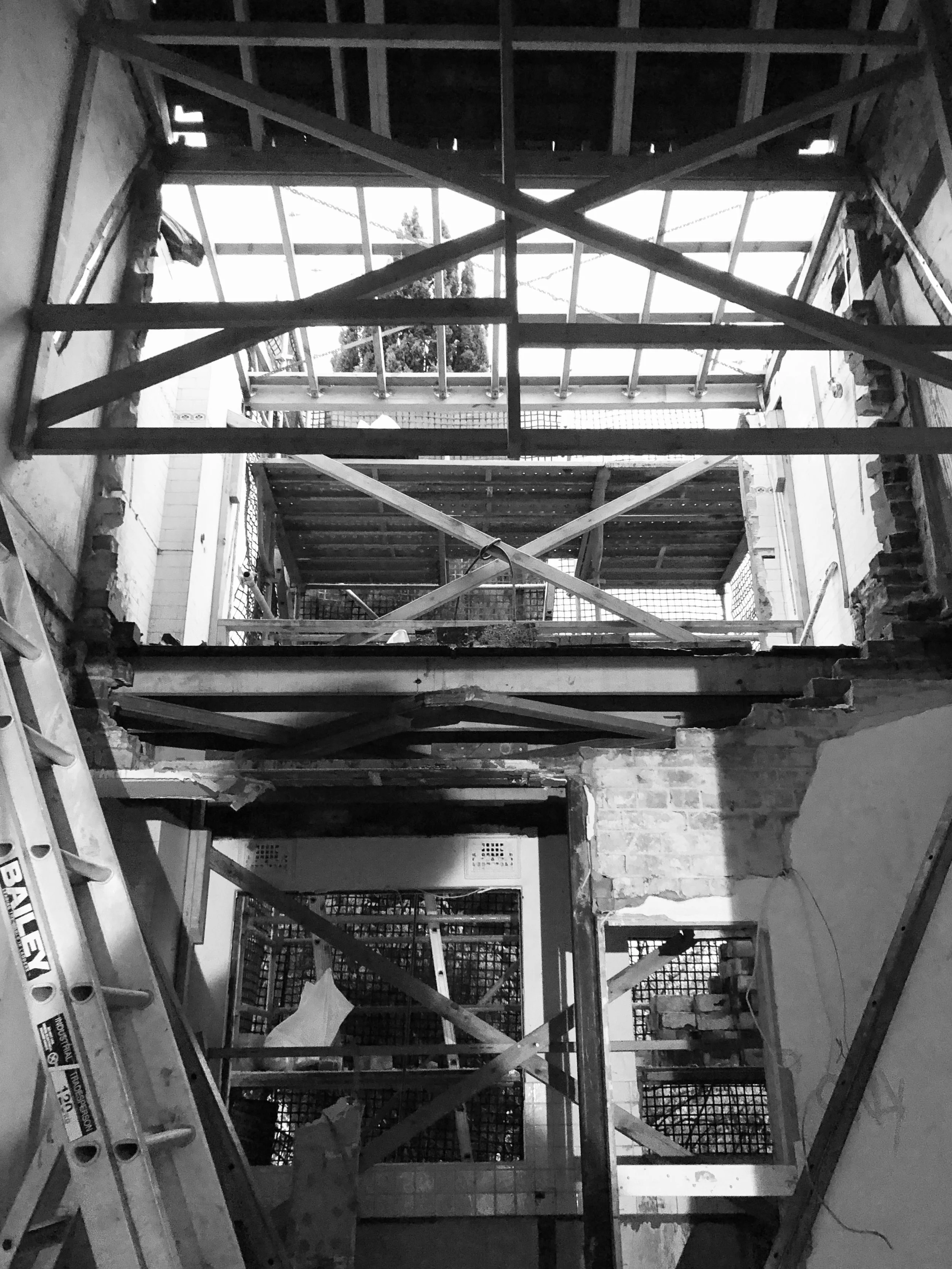
We staged As demolition progressed in stages, new structure was introduced section by section. A tight-tolerance steel frame threaded through the retained terrace, while salvaged bricks were cleaned and re-laid, embedding the project’s past into its future.
Precision Steelwork Integrated within Existing Envelope
Reuse of Original Bricks for new Structural and Material Continuity
Careful Sequencing of Demolition and Structural Rebuild
Enclosure
4
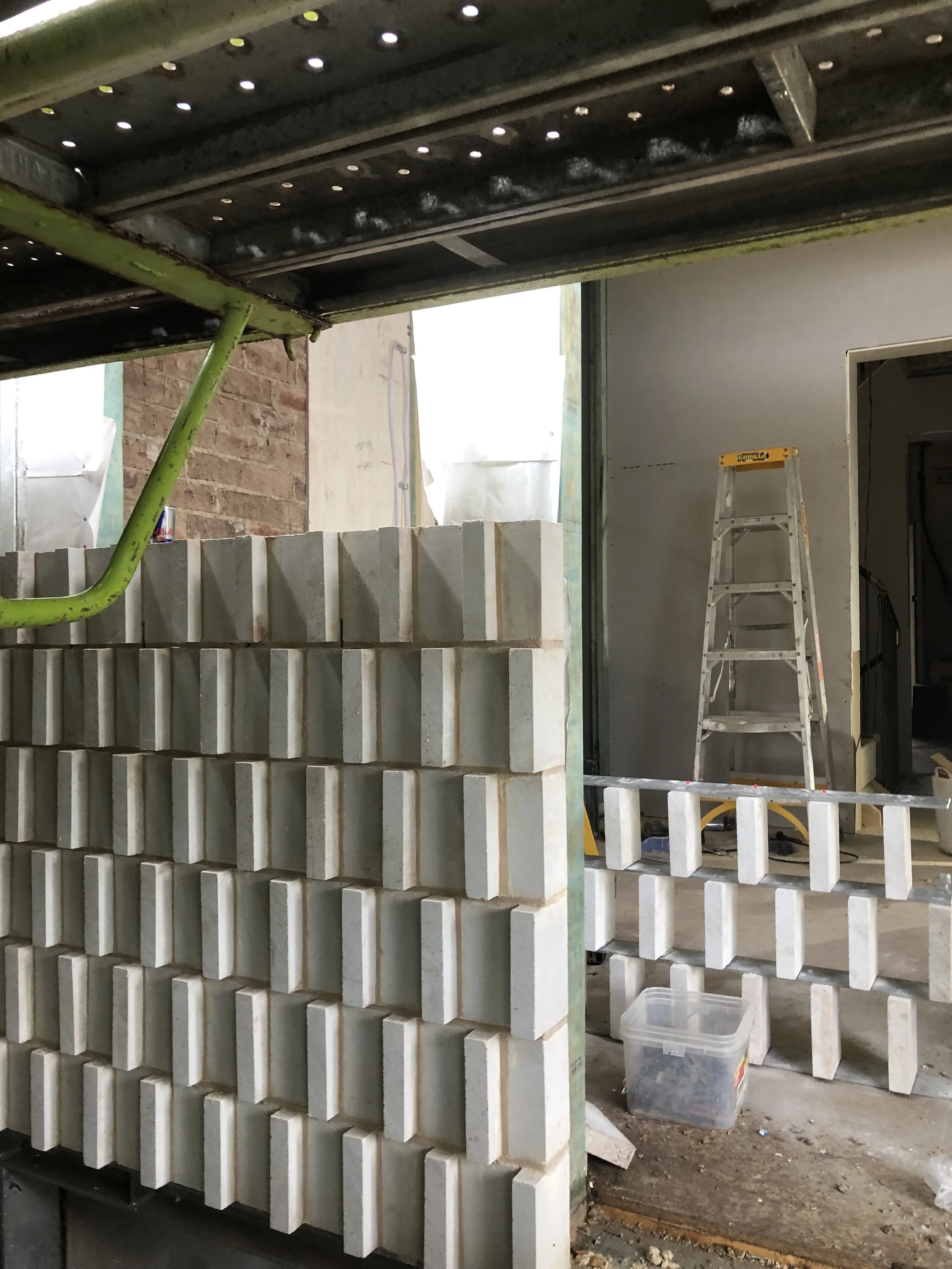
Thermal performance and comfort were upgraded throughout the envelope. Heritage elements like slate roofing were carefully replaced, while new elements including a patterned block facade and screen and double-glazed timber doors brought texture, insulation, and a considered response to orientation and privacy
Slate Roofing and Detailing Replaced with Heritage Sensitivity
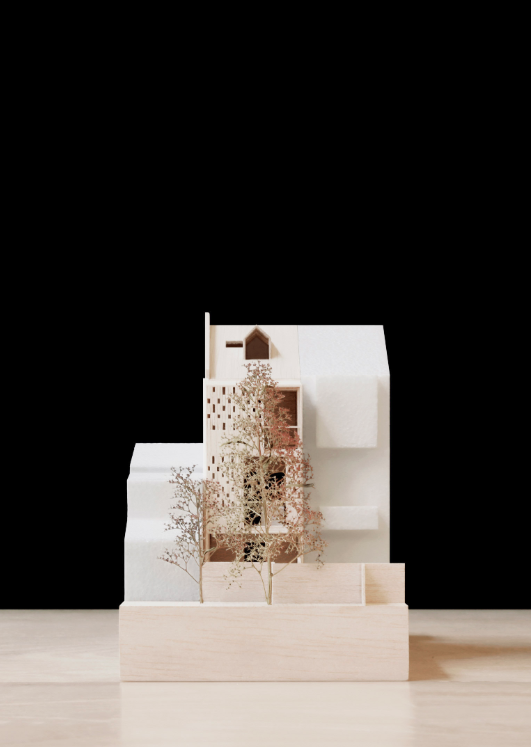
Custom Block Pattern Reinterprets the Rear Facade
Timber-Framed, Double-Glazed Doors for Thermal and Acoustic Performance
Interiors
5
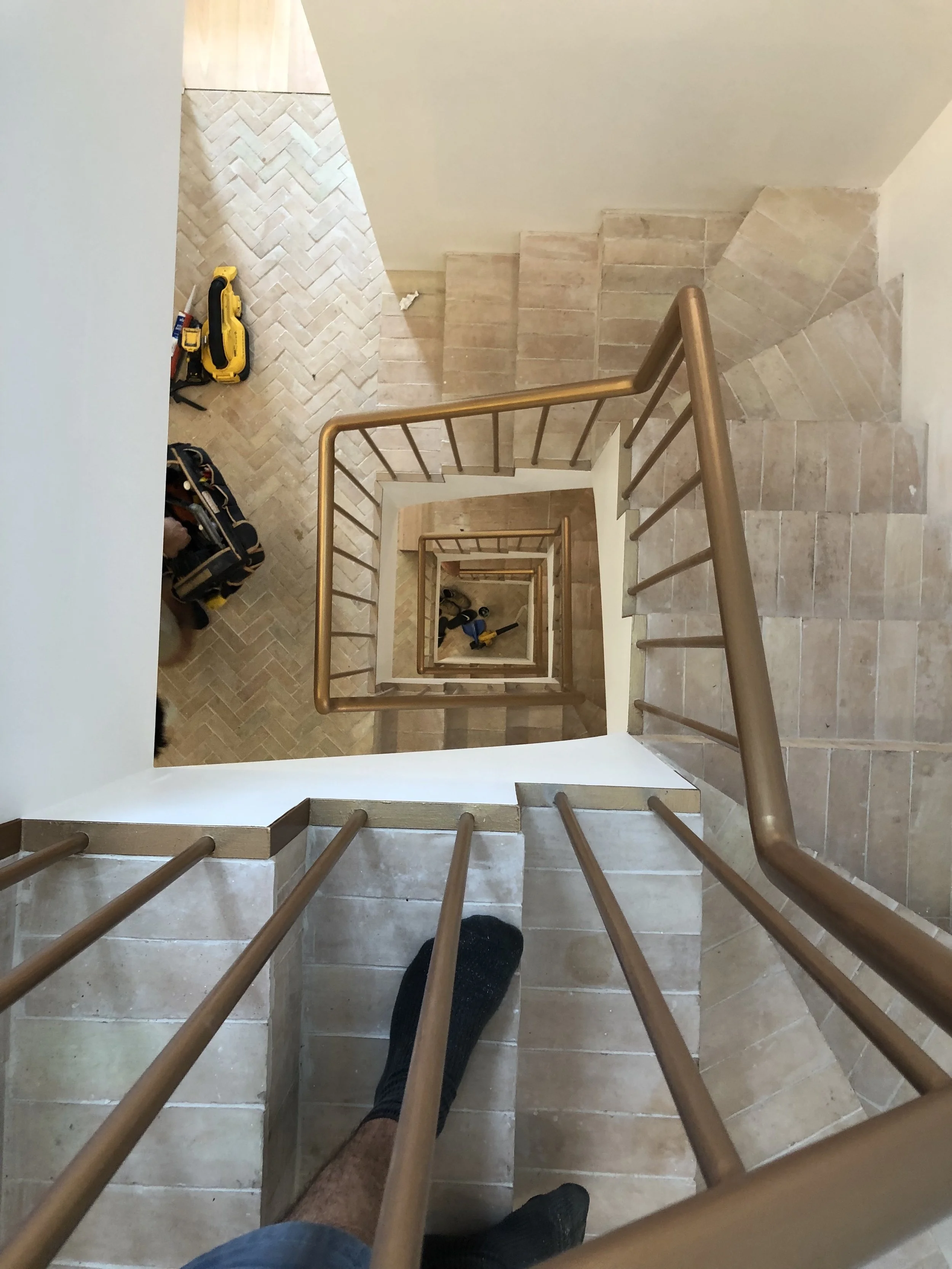
A terracotta clad stairs winds around a column of light connecting all 4 levels of the terrace. Its precision set the benchmark for the interiors, demanding tight tolerances, critical alignments, and the co-ordination of high quality crafted metalwork, joinery and plaster
Refined Timber Detailing from Windows to Walls, Floor to Doors and Everything in Between.
Zero-Tolerance Finishing across Tile, Metal and Plaster Interfaces
Collaborative Trade Coordination to Deliver Seamless Results in Tight Conditions
Aftercare
6
Additional repaints, tops ups of landscape materials, tile sealing, additional services and on demand maintenance calls keep the house clean and functional.
Scheduled repainting and specialist timber care
Artwork installation and handling of delicate fittings
Coordination of services, trades, and seasonal maintenance
Recognition
Awards
Master Builders Association NSW - House Alterations and Additions Finalist Paddington St. Terrace 2022Publications
Modestly Textural – Paddington Terrace by Trias The Local Project Paddington St. Terrace 2022 Paddington House by Trias Architecture, Au Paddington St. Terrace 2022 Heart of brass Local Mags Paddington St. Terrace 2022 Shortlist: House Alteration and Addition under 200 square metres Houses Magazine Paddington St. Terrace 2022 Shortlist: House in a Heritage Context Houses Magazine Paddington St. Terrace 2022
Projects